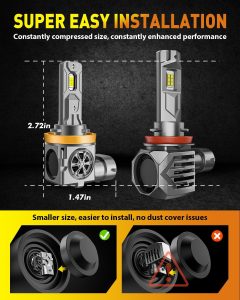

LED lights emit a brighter white light compared to most halogen bulbs. They are also more efficient and generate less heat, resulting in energy savings.
However, halogen lights are generally less expensive than LEDs. Additionally, halogens have a cooler color temperature and produce UV and infrared radiation.
Understanding Halogen Lighting
LED lighting is often preferred over halogen lighting for several reasons. LEDs emit brighter light, making visibility clearer and creating a more modern look. Additionally, LEDs are more energy-efficient and generate less heat compared to halogen bulbs, resulting in cost savings.
What Is Halogen Lighting?
Halogen lighting is a type of incandescent lighting that uses a halogen gas-filled bulb to produce light. It is a popular choice for various applications such as home lighting, automotive lighting, and stage lighting, among others. Halogen bulbs are similar to traditional incandescent bulbs, but they have a few key differences that make them unique.
Advantages Of Halogen Lighting
There are several advantages of using halogen lighting:
- High brightness: Halogen bulbs produce a bright and intense light, making them ideal for areas that require a strong illumination.
- Wide color range: Halogen bulbs are available in a variety of colors, allowing users to choose the one that best suits their needs and preferences.
- Instant illumination: Unlike some other types of bulbs, halogen bulbs provide instant illumination when turned on, eliminating the need to wait for the light to reach its full brightness.
- Compact size: Halogen bulbs are compact in size, making them suitable for use in small fixtures and spaces.
- Wide range of applications: Halogen bulbs can be used in a wide range of applications, including residential, commercial, and automotive lighting.
Limitations Of Halogen Lighting
Despite their advantages, halogen bulbs also have several limitations:
- High energy consumption: Halogen bulbs are not as energy-efficient as some other lighting options, such as LED bulbs. They consume more electricity and generate more heat, which can increase energy costs.
- Shorter lifespan: Halogen bulbs have a shorter lifespan compared to LED bulbs. They typically last around 2,000 to 4,000 hours, while LED bulbs can last up to 50,000 hours.
- Heat generation: Halogen bulbs produce a significant amount of heat while in use. This can pose a fire risk if they come into contact with flammable materials or if they are not used with proper fixtures and precautions.
- Fragility: Halogen bulbs are fragile and can break easily if mishandled or subjected to vibrations or impacts. They require careful handling to avoid breakage.
Comparing Halogen Lighting To Traditional Lighting Options
When comparing halogen lighting to traditional lighting options such as incandescent bulbs and fluorescent lighting, some key differences emerge. Here is a comparison of halogen lighting to these traditional options:
| Lighting Option | Advantages | Limitations |
|---|---|---|
| Halogen Lighting |
|
|
| Incandescent Bulbs |
|
|
| Fluorescent Lighting |
|
|
Credit: www.nytimes.com
The Benefits Of Led Lighting
LED lighting offers numerous benefits over halogen lighting. LED lights emit a brighter, white light that makes it easier to see around corners and creates a cooler ambiance. Additionally, LEDs are more energy-efficient and generate less heat compared to halogen bulbs, saving both energy and money.
Introducing Led Lighting
LED lighting has gained significant popularity in recent years due to its numerous benefits. LED, which stands for Light Emitting Diode, is a type of lighting technology that offers several advantages over traditional halogen lighting. LEDs are small, solid-state devices that emit light when an electrical current passes through them.
Advantages Of Led Lighting
LED lighting provides several advantages that make it a superior choice compared to halogen lighting:
- Energy Efficiency: LEDs are highly energy-efficient, consuming significantly less electricity than halogen bulbs. This efficiency is due to their ability to convert a higher percentage of electrical energy into light, rather than heat. In fact, LEDs can save up to 80% more energy compared to halogen bulbs, resulting in lower electricity bills and reduced environmental impact.
- Longevity and Durability: LED bulbs have an exceptionally long lifespan, lasting up to 25 times longer than halogen bulbs. This longevity is attributed to their solid-state design, which is more resistant to shock, vibrations, and temperature changes. LED lighting also has a lower failure rate, ensuring you have reliable illumination for an extended period without the need for frequent replacements.
- Brightness and Quality of Light: LEDs produce a high-quality, consistent light output that is brighter and more focused than halogen bulbs. The directional nature of LED lighting allows for better control and distribution of light, making it ideal for task lighting, accent lighting, and general illumination. LED lights also offer a wide range of color temperatures, allowing you to create the desired ambiance in any space.
- Instant and Flicker-Free Lighting: Unlike halogen bulbs, which require a warm-up period to reach full brightness, LEDs provide instant illumination as soon as they are switched on. This immediate brightness is particularly beneficial in applications where quick and reliable lighting is crucial. Additionally, LEDs do not produce any noticeable flickering, reducing eye strain and providing a more comfortable lighting experience.
Energy Efficiency Of Led Lighting
One of the key advantages of LED lighting is its exceptional energy efficiency. Compared to halogen bulbs, which convert a significant portion of electrical energy into heat, LEDs are designed to minimize heat generation and maximize light output. This energy efficiency allows LED bulbs to produce the same amount of brightness while consuming far less power, resulting in significant energy savings over time. Whether it’s for residential, commercial, or industrial lighting needs, LED lighting is a smart choice to reduce energy consumption and lower electricity bills.
Longevity And Durability Of Led Lighting
LED lighting stands out in terms of longevity and durability, making it a reliable lighting solution. LED bulbs have an average lifespan of 25,000 to 50,000 hours, depending on the quality and usage. This longevity is significantly higher compared to halogen bulbs, which typically last around 1,000 to 5,000 hours. LED lights are also more durable due to their solid-state construction, making them resistant to shocks, vibrations, and extreme temperature fluctuations. With LED lighting, you can enjoy long-lasting illumination and reduce the frequency of bulb replacements.
Comparing Halogen And Led Lighting
LED lights are brighter and more energy-efficient compared to halogen bulbs. They emit a white light that makes it easier to see around corners and consume less energy, resulting in cost savings. LED lights also generate less heat compared to halogen bulbs.
When it comes to lighting options, halogen and LED lights are two popular choices. Both have their own advantages and drawbacks, so it’s important to understand the key differences before making a decision. In this article, we will compare halogen and LED lighting in terms of brightness, cost, environmental impact, and maintenance and replacement.
Brightness Comparison Between Halogen And Led Lighting
When it comes to brightness, LED lights have the upper hand. LEDs emit a bright, white light that is brighter than most halogen bulbs. This makes it easier to see things around corners and creates a cooler and more modern look. LED lights are known for their high luminous efficacy, meaning they produce more light using less energy. On the other hand, halogen bulbs generate a large amount of heat, which can affect their brightness and energy efficiency.
Cost Comparison: Halogen Vs. Led Lighting
In terms of cost, LED lighting may have a higher upfront cost, but it offers significant long-term savings. LEDs are more energy-efficient compared to halogen bulbs, consuming less electricity and reducing energy bills. Additionally, LED lights have a longer lifespan than halogens, lasting up to 25 times longer. This means fewer replacements and lower maintenance costs over time. While halogens may be cheaper initially, the cost savings of choosing LED lighting become evident over the long run.
Environmental Impact: Halogen Vs. Led Lighting
When it comes to the environment, LED lighting is the clear winner. LEDs are more eco-friendly as they do not contain toxic substances like mercury, which is present in some halogen bulbs. LED lights also emit less heat and CO2 emissions, contributing to reduced energy consumption and a smaller carbon footprint. By choosing LED lighting, you are making a greener choice and helping to protect the environment.
Maintenance And Replacement: Halogen Vs. Led Lighting
In terms of maintenance and replacement, LED lighting once again comes out on top. LED lights have a longer lifespan and require less frequent replacements compared to halogens, saving you both time and money. Additionally, halogens are more prone to breaking and may require more frequent maintenance. LED lights, on the other hand, are more durable and resistant to shocks and vibrations. When it comes to maintenance and replacement, LED lighting offers convenience and peace of mind.
In conclusion, LED lighting offers numerous advantages over halogen lighting. From its superior brightness and energy efficiency, to its long lifespan and eco-friendly nature, LED lights provide a compelling choice for both residential and commercial settings. While the initial cost may be higher, the long-term savings and environmental benefits make LED lighting a smart and sustainable investment.
Choosing The Right Lighting For Specific Applications
LED lights are a popular choice over halogen bulbs for various reasons. LED lights emit a brighter white light, making them more efficient for seeing around corners and saving energy. Additionally, LED lights generate less heat compared to halogen bulbs, further contributing to their energy efficiency.
Halogen Lighting For Outdoor Spaces
For outdoor spaces such as gardens, patios, or decks, halogen lighting can be a great choice. Halogen bulbs offer a warm and welcoming glow that creates a cozy atmosphere. They are also known for their versatility and ability to highlight specific areas or objects effectively. Whether you want to illuminate a pathway or showcase your favorite outdoor features, halogen lighting can provide the desired ambiance.
Led Lighting For Landscape Illumination
When it comes to landscape illumination, LED lighting takes the center stage. LED bulbs offer a wide range of benefits that make them ideal for outdoor use. Firstly, LED lights are highly energy-efficient and can help reduce your overall energy consumption. They also have a longer lifespan compared to halogen bulbs, reducing the need for frequent replacements. Additionally, LED lights come in various color options, allowing you to create different moods and atmospheres in your outdoor space. Whether you want to enhance the beauty of your garden or create a dramatic lighting display, LED lighting is the way to go.
Halogen Vs. Led Lighting For Cars
When it comes to automotive lighting, both halogen and LED options are available. Halogen lights have been the standard choice for car headlights for many years. They offer good brightness and affordability. However, LED lights are rapidly gaining popularity due to their superior performance. LEDs provide brighter and clearer illumination, making it easier to navigate the road at night. They also have a longer lifespan and consume less energy compared to halogen bulbs, contributing to fuel efficiency. If you want the best visibility and durability for your car’s lighting system, LED lights are a great investment.
Considerations For Indoor Lighting: Halogen Vs. Led
Indoor lighting plays a crucial role in setting the mood and ambiance of your living spaces. When it comes to choosing between halogen and LED lighting for indoor applications, several factors should be considered. Halogen bulbs are known for their warm and natural light that closely resembles daylight. They are often used in areas where color accuracy is important, such as art galleries or showrooms. On the other hand, LED lights offer more flexibility in terms of color temperature, allowing you to create different lighting effects for different occasions. LED bulbs are also highly efficient and have a longer lifespan, making them a cost-effective option in the long run.
Frequently Asked Questions On Halogen Vs. Led Lighting
Are Halogen Lights Better Than Led?
LED lights are better than halogen lights because they emit brighter white light, making it easier to see around corners. LEDs are also more efficient and generate less heat, saving energy.
Is It Worth Replacing Halogen With Led?
Replacing halogen with LED is worth it because LED lights emit brighter white light, making it easier to see around corners and giving a cooler look. LEDs are also more efficient and generate less heat, saving energy. Additionally, LED headlights are brighter than halogen headlights.
How Much Brighter Are Led Headlights Than Halogen?
LED headlights are much brighter than halogen bulbs. LEDs emit a white light that is brighter and makes it easier to see things around corners. They are also more efficient and generate less heat, saving energy. LED headlights are a great replacement option for halogen bulbs.
Which Light Is Good For Eyes Halogen Or Led?
LED lights are better for the eyes compared to halogen lights. LEDs emit a brighter white light that makes it easier to see things and reduces eye strain. Additionally, LEDs are more energy-efficient and generate less heat than halogen bulbs, saving energy.
Conclusion
LED lights offer numerous advantages over halogen lights. Firstly, LED lights emit a brighter, white light that enhances visibility and makes seeing objects around corners easier. Additionally, LEDs are more energy-efficient and generate significantly less heat compared to halogen bulbs, resulting in energy savings.
The decision to switch to LED lights is definitely worth it, considering their superior performance and cost-effective benefits. Overall, LED lights prove to be the better choice for illumination needs.