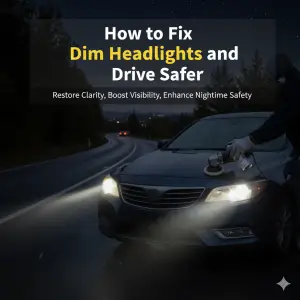

HID headlight repair is necessary when one headlight is significantly dimmer than the other, flickers before turning off completely, or if the bulb fails to light up. Common causes of these issues include faulty bulbs or a failed ballast, which can occur due to heat, moisture, or corrosion over time.
To diagnose and fix HID headlights, you can swap the bulbs or ballasts to the other side and see if the problem is reversed, indicating a bad bulb or ballast. If you encounter these problems, it is important to identify and repair them promptly to ensure optimal visibility and safety while driving.
Common Problems With Hid Headlights
One common problem with HID headlights is the failure or loss of brightness in the bulbs over time. If one headlight is dimmer than the other or flickers before turning off completely, the bulb may be the issue. It is important to diagnose and repair these problems to ensure proper headlight functionality.
Faulty Bulb As The Culprit
One of the most common problems with HID headlights is a faulty bulb. Over time, these bulbs can lose their brightness and eventually fail. If you notice that one headlight is significantly dimmer than the other or if it flickers before turning off completely, the bulb is likely the culprit. Replacing the faulty bulb is often the solution to restore proper headlight functionality.
Intermittent Headlight Issues
Intermittent headlight issues are another common problem with HID headlights. In some cases, the headlights may work normally one moment and then suddenly turn off or flicker. This can be frustrating and dangerous, especially during nighttime driving. Intermittent issues can be caused by various factors such as loose connections, faulty wiring, or even a failing ballast. It’s important to diagnose and address these issues promptly to ensure consistent and reliable headlight performance.
Dim Or Flickering Headlights
Dim or flickering headlights are often indicators of underlying problems with HID headlights. If your headlights appear dimmer than usual or if they flicker while in use, it’s likely due to a faulty bulb or ballast. The bulb may be nearing the end of its lifespan, causing a decrease in brightness. A ballast that is failing or experiencing electrical issues can also result in dim or flickering headlights. In either case, it’s essential to address these issues promptly to maintain optimal visibility on the road.
Complete Headlight Failure
In some instances, HID headlights may experience complete failure, where both headlights stop working simultaneously. This can be caused by a variety of factors, including a faulty ballast, wiring issues, or a blown fuse. Complete headlight failure can severely impact visibility, creating a dangerous situation, especially at night or in adverse weather conditions. If both HID headlights fail to turn on, it’s crucial to have a professional diagnose and repair the issue to ensure your safety on the road.
Diagnosing Hid Headlight Problems
Diagnosing HID Headlight Problems can be a challenge, but understanding common issues like faulty bulbs and ballast failure is crucial. If your HID headlights are dim, flickering, or not working, it might be time for HID headlight repair. You can find helpful videos and guides on YouTube to assist you in troubleshooting and fixing your HID headlights.
Diagnosing HID headlight problems can be a daunting task, but with a step-by-step approach, you can easily identify and resolve any issues you may be having. In this section, we will outline the key steps you need to take to diagnose HID headlight problems effectively, ensuring that your headlights are functioning as they should be.Steps To Diagnose Hid Headlight Issues
1. Checking the Bulb Connection
The first step in diagnosing HID headlight problems is to check the bulb connection. Over time, the bulb connection can become loose or corroded, leading to poor electrical contact and malfunctioning headlights. To check the bulb connection, follow these steps:- Locate the bulb housing and remove the protective cover.
- Inspect the bulb connection for any signs of corrosion or damage.
- If necessary, clean the bulb connection using a contact cleaner or a small brush.
- Reconnect the bulb securely and replace the protective cover.
2. Testing the Ballast
The next step in diagnosing HID headlight problems is to test the ballast. The ballast is responsible for providing the necessary voltage to ignite and power the HID bulb. If the ballast is faulty, it can cause issues such as flickering or dim headlights. To test the ballast, follow these steps:- Locate the ballast, usually located near the headlight assembly.
- Disconnect the power supply to the ballast.
- Using a multimeter, check the voltage output of the ballast.
- If the voltage output is significantly lower than the recommended range, the ballast may be faulty and in need of replacement.
3. Inspecting the Wiring
The final step in diagnosing HID headlight problems is to inspect the wiring. Faulty or damaged wiring can cause various issues, including intermittent headlights or complete failure. To inspect the wiring, follow these steps:- Inspect the wiring harness for any visible signs of damage, such as frayed wires or loose connections.
- If any damage is found, repair or replace the wiring as necessary.
- Check the wiring connections to ensure they are secure and free from corrosion.
- If any connections are loose or corroded, clean or tighten them accordingly.
Fixing Hid Headlight Issues
If you’re experiencing issues with your HID headlights, there are various resources available online, such as YouTube tutorials and forums, that can guide you through diagnosing and repairing the problem. From troubleshooting ballast failures to identifying faulty bulbs, these resources provide practical advice on how to fix HID headlight issues.
Replacing Faulty Hid Bulbs
If you notice your HID headlight is dimmer than usual, flickering, or not working at all, it may be due to a faulty bulb. Over time, HID bulbs can lose their brightness and eventually fail. To fix this issue, you’ll need to replace the faulty HID bulb with a new one.
Before purchasing a replacement bulb, there are a few compatibility and replacement considerations to keep in mind.
Compatibility And Replacement Considerations (hid Bulb Replacement)
When replacing your HID bulb, it’s important to consider the bulb’s compatibility with your specific make and model of vehicle. Not all HID bulbs are universal, and different vehicles may require different bulb sizes and types.
Consult your vehicle’s owner manual or do a quick online search to find the correct HID bulb replacement for your vehicle. Additionally, check the wattage and color temperature of your existing bulb to ensure you choose a replacement that matches your preferences.
Step-by-step Bulb Replacement Guide
Here is a step-by-step guide to help you replace your faulty HID bulb:
- First, make sure your vehicle’s engine is turned off and the headlights are completely cooled down.
- Locate the back of the headlight housing where the HID bulb is housed.
- Remove the dust cover or any protective covers that may be in place.
- Disconnect the electrical connector attached to the HID bulb.
- Gently twist the bulb counterclockwise and remove it from the housing.
- Take your new HID bulb and insert it into the housing, twisting it clockwise to secure it in place.
- Reconnect the electrical connector to the new bulb.
- Replace any protective covers or dust covers.
- Turn on your headlights to test the new HID bulb.
Following these steps should ensure a successful HID bulb replacement.
Troubleshooting And Repairing Hid Ballasts
If your HID headlights are still experiencing issues after replacing the bulbs, the problem may lie with the ballast. The ballast is responsible for regulating the power supply to the HID bulbs.
Identifying Ballast Failure (ballast Failure)
Ballast failure can occur due to various reasons, including heat, moisture, and corrosion. Signs of ballast failure include flickering lights, one headlight not working, or both headlights not turning on.
Here are some common ballast issues you may encounter:
- Flickering or dim headlights
- One headlight not turning on
- Inconsistent power supply to the headlights
Fixing Common Ballast Issues
To fix common ballast issues, you may need to:
- Check the wiring connections for any loose or damaged wires.
- Replace the ballast if it is found to be faulty.
- Ensure the ballast is properly secured and protected from moisture and extreme temperatures.
By troubleshooting and repairing your HID ballasts, you can restore proper functionality to your headlights.
Preventive Maintenance For Hid Headlights
Preventive maintenance for HID headlights is crucial to ensure their longevity and proper functioning. Regularly inspecting and cleaning the headlights, checking for any signs of dimness or flickering, and replacing faulty bulbs or ballasts can help prevent major repair costs and ensure optimal visibility on the road.
HID headlights, also known as high-intensity discharge headlights, are a popular choice for drivers seeking improved visibility on the road. These powerful lights are more efficient and provide better illumination compared to traditional halogen headlights. However, like any other car component, HID headlights require regular maintenance to ensure optimal performance and longevity.
Tips To Extend The Life Of Hid Headlights
Here are some effective tips to help you extend the life of your HID headlights:
Regular Cleaning And Inspection
Cleaning and inspecting your HID headlights on a regular basis is essential to maintain their functionality. Over time, dirt, grime, and road debris can accumulate on the headlight lens, reducing the brightness of the lights. Use a soft cloth and a gentle cleanser to clean the lens and remove any dirt or residue. Inspect the headlight for any signs of damage, such as cracks or moisture buildup, which can impair the performance of the HID bulb. Additionally, be sure to check the alignment of the headlights to ensure proper beam projection.
Proper Handling And Installation
Proper handling and installation of HID headlights is crucial to prevent damage and ensure optimal performance. When handling the bulbs, always wear gloves to avoid touching the glass surface directly. Any oil or residue from your fingers can cause the bulb to overheat and fail prematurely. Additionally, make sure to follow the manufacturer’s instructions for installation, as improper installation can lead to flickering lights or other electrical issues. If you’re not confident in installing HID headlights yourself, it’s best to seek professional assistance.
By following these tips, you can ensure that your HID headlights stay in top condition, providing you with the best visibility and safety on the road. Regular cleaning, inspection, and proper handling and installation are key to preventing potential issues and prolonging the lifespan of your HID headlights.
Cost Of Hid Headlight Repair
HID headlight repair costs can vary depending on the specific issue. Common problems with HID headlights include faulty bulbs and ballast failure. If you notice dimming or flickering lights, it may be time to replace the bulbs or ballast. Keep in mind that the cost of repair will depend on the make and model of your vehicle.
Estimated Cost Of Replacing Hid Headlights
When it comes to HID headlight repair, one of the main concerns for car owners is the cost. HID headlights, also known as High-Intensity Discharge headlights, provide brighter and more efficient lighting compared to traditional halogen headlights. However, if these headlights start to malfunction or fail, they can be quite expensive to replace. The estimated cost of replacing HID headlights can vary depending on various factors, including the make and model of your vehicle, the type of HID bulb used, and whether you opt for a DIY repair or professional assistance.Factors Affecting The Cost (cost To Replace Hid Headlights)
The cost to replace HID headlights can be influenced by several factors. Let’s take a closer look at these factors: 1. Vehicle Make and Model: The cost of HID headlight repair can vary based on the make and model of your vehicle. Some luxury or high-end cars may require specialized parts or have more complex headlight systems, which can increase the overall cost. 2. Type of HID Bulb: HID bulbs come in different variations and quality levels, each with a different price point. The cost of replacement will depend on the specific HID bulb your vehicle requires. It’s important to choose a high-quality bulb to ensure longevity and optimal performance. 3. Labor Costs: If you choose to have a professional repair or replace your HID headlights, labor costs will be a significant factor in the overall cost. The labor rates can vary based on factors like location, the complexity of the repair, and the expertise of the technician. 4. Warranty Coverage: Some vehicles may still be covered by the manufacturer’s warranty, which could help offset the cost of HID headlight repair. It’s worth checking if your vehicle’s warranty covers headlight-related issues before proceeding with any repair or replacement. 5. Additional Components: In some cases, the HID ballast or other components of the headlight system may also need to be replaced along with the bulb. These additional components can contribute to the overall cost of repair.Diy Vs Professional Repair Options
Now let’s discuss the two options available for HID headlight repair: DIY or professional assistance. 1. DIY Repair: If you have experience and knowledge working with car electrical systems, you may consider a DIY repair. This option can potentially save you money on labor costs. However, it’s essential to remember that working with electrical components can be complex and requires precision. Any mistakes made during the repair process can lead to further damage or safety issues. 2. Professional Repair: Opting for professional HID headlight repair ensures that the job is done correctly and efficiently. Certified technicians have the necessary skills, experience, and tools to diagnose and repair HID headlight issues accurately. While professional repair may come at a higher cost, it provides peace of mind knowing that the repair was done by an expert. Overall, the cost of HID headlight repair can vary significantly depending on factors like the make and model of your vehicle, the type of HID bulb, labor costs, and whether you choose a DIY or professional repair option. It’s recommended to consult with an expert or get quotes from reputable repair shops to understand the specific costs associated with your vehicle’s HID headlight repair needs.
Credit: m.youtube.com
Frequently Asked Questions For Hid Headlight Repair
What Is The Most Common Problem With Hid Headlights?
The most common problem with HID headlights is a faulty bulb. Over time, HID bulbs can lose their brightness or flicker before turning off completely. If one headlight is dimmer than the other, the bulb may be the issue. Additionally, heat and moisture can cause the ballast to fail.
The cost to replace HID headlights varies.
How Much Does It Cost To Replace Hid Headlights?
The cost to replace HID headlights varies depending on the make and model of the vehicle. On average, it can range from $100 to $500.
What Causes A Hid Ballast To Fail?
HID ballasts can fail due to the surrounding environment. Extreme temperatures, both hot and cold, can cause them to burn out or fail to start. Moisture and condensation can also lead to corrosion over time.
Why Is One Of My Hid Headlights Not Working?
One of your HID headlights may not be working due to a faulty bulb. Over time, HID bulbs can lose brightness and eventually fail, causing the headlight to appear dimmer or flicker before turning off completely. Swap the bulbs to the other side to determine if it’s a bulb issue.
Conclusion
To ensure the optimum performance of your HID headlights, it’s crucial to address any repair needs promptly. Intermittent headlight issues and dimming bulbs are common problems that can be fixed with the right diagnosis and replacement. Over time, HID bulbs may lose their brightness and fail, while ballast failure can occur due to environmental factors like heat and moisture.
By identifying the faulty component, such as the bulb or ballast, you can resolve the issue efficiently. Remember, regular maintenance and timely repairs will extend the lifespan of your HID headlights, providing you with safer and brighter driving experiences.