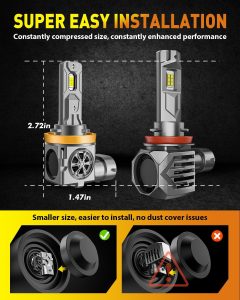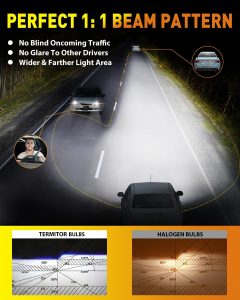

Laser headlights for cars provide superior illumination, enhancing nighttime driving visibility. These innovative lights offer a longer range than traditional LED headlights.
Car manufacturers are continuously exploring advancements in lighting technology to improve road safety, and laser headlights have emerged as a notable development. These headlights generate light through the excitation of phosphorus, which results in a very bright and white light that can illuminate the road ahead for up to 600 meters, significantly farther than LED or halogen lights.
They are renowned for their energy efficiency, consuming less power while delivering a powerful beam, making them an eco-friendly option for modern vehicles. With an intense focus on precision lighting, laser headlights are designed to minimize glare for oncoming drivers, ensuring a safer driving experience for everyone. Their compact size allows for more creative design flexibility in vehicle aesthetics, offering both functionality and sleek car designs. As consumer interest in safety and vehicle performance grows, laser headlights are quickly becoming a highlight in the automotive industry’s push towards cutting-edge vehicle features.
The Leap From Led To Laser Technology
Automotive lighting has undergone an extraordinary evolution, from the earliest gas lamps to today’s high-tech solutions. The latest revolution in this progression introduces laser headlights, a groundbreaking technology that promises to redefine night-time driving. Car manufacturers have always chased the twin goals of safety and efficiency, and with the emergence of laser headlights, they are leaping far ahead of traditional LED systems.
Comparison Of Traditional Lighting Systems With Laser Headlights
In the quest for the most advanced automotive lighting, laser headlights stand out as a transformative innovation. Here’s a contrast between traditional systems and the laser approach:
| Lighting Technology | Traditional LED | Laser headlights |
|---|---|---|
| Efficiency | Energy-efficient, with lower power consumption than halogen bulbs | More energy-efficient than LEDs, using even less power for greater light output |
| Performance | High brightness and long lifespan | Superior brightness, up to ten times more than LEDs, with exceptional lifespan |
| Range | Good illumination range | Exceptional range, offering visibility over greater distances |
| Size | Compact size, but larger than laser diodes | Extremely small and versatile in design possibilities |
Fundamental Mechanics Of Laser Headlights Functioning
Understanding how laser headlights work is essential to appreciating their value. At the heart of these units are laser diodes that produce a highly concentrated light beam. This light is then focused through a series of mirrors and lenses, and finally converted into a brilliant, white light suitable for road use by striking a phosphorescent substance. The technicalities that enable this process include:
- High-Intensity Light: Laser diodes emit an intense narrow beam of light.
- Color Conversion: The blue laser light is transformed into pure white light via a fluorescent phosphor material.
- Beam Focusing: Advanced optics focus the light beam into a usable shape and size for driving.
Benefits Of Using Laser Over Led Lights For Car Manufacturers
Laser headlights are not just about brighter light; they offer a host of advantages that make them highly desirable for car manufacturers:
- Enhanced Visibility: Greater illumination improves driver visibility and road safety.
- Energy Efficiency: Consumes less power, enhancing electric vehicle range and reducing emissions in conventional cars.
- Design Flexibility: Smaller components allow for more creative and aerodynamic designs.
- Heat Efficiency: Produces less heat compared to LED lights, reducing thermal management challenges.
- Longevity: Longer lifespan reduces the need for replacements, translating to cost savings and sustainability.
Safety And Efficiency In Illumination
Exploring the cutting-edge technology of laser headlights for cars reveals a game-changer in vehicular illumination. When it comes to enhancing nighttime visibility and energy efficiency, laser headlights offer an advanced solution. Unlike traditional lighting systems, these innovative headlights promise improved road safety and efficiency that every driver can benefit from.
Increased Road Safety With Brighter And Farther-reaching Beams
Laser headlights take driving in the dark to a new level of safety. These sophisticated systems produce light that is remarkably bright and can illuminate the road up to twice as far as standard LED lights. This significant leap in visibility means that potential hazards on the road are detected sooner, giving drivers ample time to react. Consequently, laser headlights directly contribute to reducing the risk of nighttime accidents.
Energy Consumption Comparison Between Laser And Conventional Headlights
Despite their impressive performance, laser headlights are incredibly energy-efficient. When compared to halogen and LED counterparts, laser headlights stand out in their lower energy consumption. This efficiency does not compromise their luminosity; instead, it makes them an even more attractive option for eco-conscious drivers.
| Headlight Type | Energy Consumption | Luminous Efficiency |
|---|---|---|
| Halogen | High | Low |
| LED | Medium | Medium |
| Laser | Low | High |
Impact Of Laser Light Precision On Driving Conditions
The level of precision in laser headlight beams significantly enhances overall driving conditions. With a more focused beam pattern, these headlights minimize light scatter and glare to oncoming traffic, which not only improves the driver’s visibility but also the safety of other road users. The fine-tuned control of laser light projection adapts to various driving scenarios, such as winding roads or inclement weather, making them indispensable to modern driving demands.
Design And Aesthetics Enhancement
Design and Aesthetics Enhancement through innovative lighting technologies like laser headlights not only augments the visibility for drivers but also significantly elevates the look and feel of modern vehicles. As we delve into this sophisticated feature, it’s clear that laser headlights have become more than just a functional component of car design; they have emerged as a pivotal element that shapes the very essence of automotive styling and personalization.
Integration Of Laser Headlights Into Modern Car Design
Laser headlights are seamlessly incorporated into the sleek contours and bold lines of contemporary automobiles. This blend of high-end technology with cutting-edge design language results in cars that stand out with a distinct character. Manufacturers artfully embed laser lighting within the vehicle’s architecture, creating a harmonious fusion of form and function.
- Better illumination: Provides superior road coverage compared to traditional lighting systems.
- Space-saving: Compact size allows more creative design freedom for car manufacturers.
- Energy-efficient: Consumes less power, translating to better fuel economy and reduced emissions.
Customization Potential With Laser Lighting Systems
The advent of laser headlights opens a new realm of customization for car enthusiasts. This technology offers the ability to personalize the lighting color and patterns, adapting the car’s appearance to the owner’s taste. With options to modify the light distribution, intensity, and even projection of images or signage, laser lighting systems are transforming cars into dynamic canvases.
| Customization Features | Benefits |
|---|---|
| Adaptive Illumination | Automatically adjusts brightness for different driving conditions. |
| Color Variation | Choose a hue that complements the car’s color scheme or stands out. |
| Projection Capabilities | Project symbols or guidance for an enhanced interactive experience. |
Contribution To The Futuristic Appeal Of Cars
Laser headlights contribute significantly to the futuristic aesthetic of automobiles. The sharp, bright light evokes a feeling of advanced technology and innovation, aligning with the sleek bodywork often found in concept and high-performance vehicles. Their appearance suggests a leap forward in automotive design, presenting an image of progression and sophistication that captivates onlookers and enthusiasts alike.
- Highlighting advanced technology
- Enhancing vehicle uniqueness and appeal
- Creating a sense of luxury and exclusivity
Regulatory And Adoption Challenges
As the automotive industry continues to innovate, laser headlights are poised to revolutionize the way we experience night driving. Offering unmatched illumination and energy efficiency, these cutting-edge systems could redefine road safety. However, the journey of integrating laser headlights into everyday vehicles comes with its own set of regulatory and adoption challenges. Understanding these hurdles is critical for both manufacturers and consumers eager to embrace this new technology.
Current Laws And Regulations Affecting Laser Headlight Implementation
Laser headlights, while offering superior brightness and range, must navigate through a complex web of regional and international regulations. These laws greatly influence the design, functionality, and ultimately the availability of laser lighting systems in automotive markets. Significant disparities in vehicle safety standards and regulatory acceptance between regions can delay the widespread implementation of this technology.
- EU Regulations: In Europe, laser headlights have gained approval owing to their adherence to established safety protocols.
- US Standards: The US landscape is more challenging due to stringent Federal Motor Vehicle Safety Standards (FMVSS) which only recently began to evolve.
- Asia-Pacific: Markets in the Asia-Pacific region show varied levels of regulatory progress, influencing the speed at which these lights are adopted.
Global Market Adoption Rates And Forecast Growth
The global market adoption rates for laser headlights reflect a technology still in the early stages of consumer integration. However, these figures do not dissuade optimistic growth forecasts. Leading automotive manufacturers continue to showcase laser headlights in high-end models, signaling an upward trend in both availability and consumer interest. Industry analyses project:
| Region | 2019 Market Share | 2025 Forecasted Growth |
|---|---|---|
| North America | 20% | 35% |
| Europe | 25% | 40% |
| Asia-Pacific | 30% | 50% |
The Role Of Consumer Awareness And Acceptance In Technology Uptake
The penetration of laser headlights into the market is not driven solely by manufacturing and regulations—it also highly depends on consumer awareness and acceptance. The adoption of any innovative technology is a function of its perceived benefits, affordability, and suitability to consumer needs. Educating potential buyers about the advantages of laser headlights, such as their energy efficiency, longevity, and superior performance, is essential. Furthermore, addressing concerns related to safety and cost can accelerate consumer confidence and adoption rates.
- Education on safety and technology benefits.
- Comparative showcases with traditional headlight systems.
- Market availability and accessibility of options.
Innovations And Future Projections
Laser headlights represent a dynamic frontier in automotive lighting, promising a revolution in visibility and safety. These cutting-edge systems not only illuminate the road ahead with unprecedented clarity but also signify an evolution in vehicle design. As we cast our gaze toward the horizon, we see a landscape where laser technology not only becomes mainstream but also catalyzes a series of innovations sure to alter our driving experience.
Recent Advancements In Laser Headlight Technology
The leaps in laser headlight technology over the past few years have been nothing short of extraordinary. Current generation systems showcase a range of benefits, including:
- Intensity: Laser headlights can be up to ten times brighter than traditional LED options, offering unparalleled visibility on the road.
- Efficiency: Despite their brightness, they are incredibly energy efficient, which is crucial for electric and hybrid vehicles.
- Compactness: Laser diodes are remarkably small, allowing for more creative and streamlined vehicle design.
Manufacturers are also integrating adaptive intelligence to enhance functionality, allowing headlights to adjust beams in response to driving conditions, which helps prevent dazzling oncoming traffic.
Potential Future Applications And Evolution Of Laser Lights In Vehicles
Looking to the future, the applications for laser lights in vehicles are poised for expansion. We can anticipate:
- Long-range illumination: Laser headlights may soon deliver light to distances far beyond current capabilities, improving safety during night driving.
- Communication: There’s potential for headlights to project information directly onto the road, such as warnings or navigation cues.
- Customization: The prospect of personalized light signatures, allowing drivers to choose how their vehicle’s headlights look and operate.
These advancements promise to elevate the utility and aesthetics of car lighting beyond mere functionality to an integral part of the driving experience.
How Ongoing Research Might Influence The Automotive Lighting Landscape
As researchers push the boundaries of what’s possible, the automotive lighting landscape is set to undergo profound changes. Continuous improvement in photonics and material sciences could lead to:
- Intelligent systems: Headlights that not only adapt to conditions but also communicate with other vehicles and infrastructure.
- Enhanced safety features: Incorporation of laser-based LiDAR systems for precise distance measurement and obstacle detection.
- Environmental adaptability: Lights that adjust according to weather patterns for optimal visibility.
These technologies are likely to converge with autonomous vehicle systems, fostering an era of enhanced driver safety and comfort.
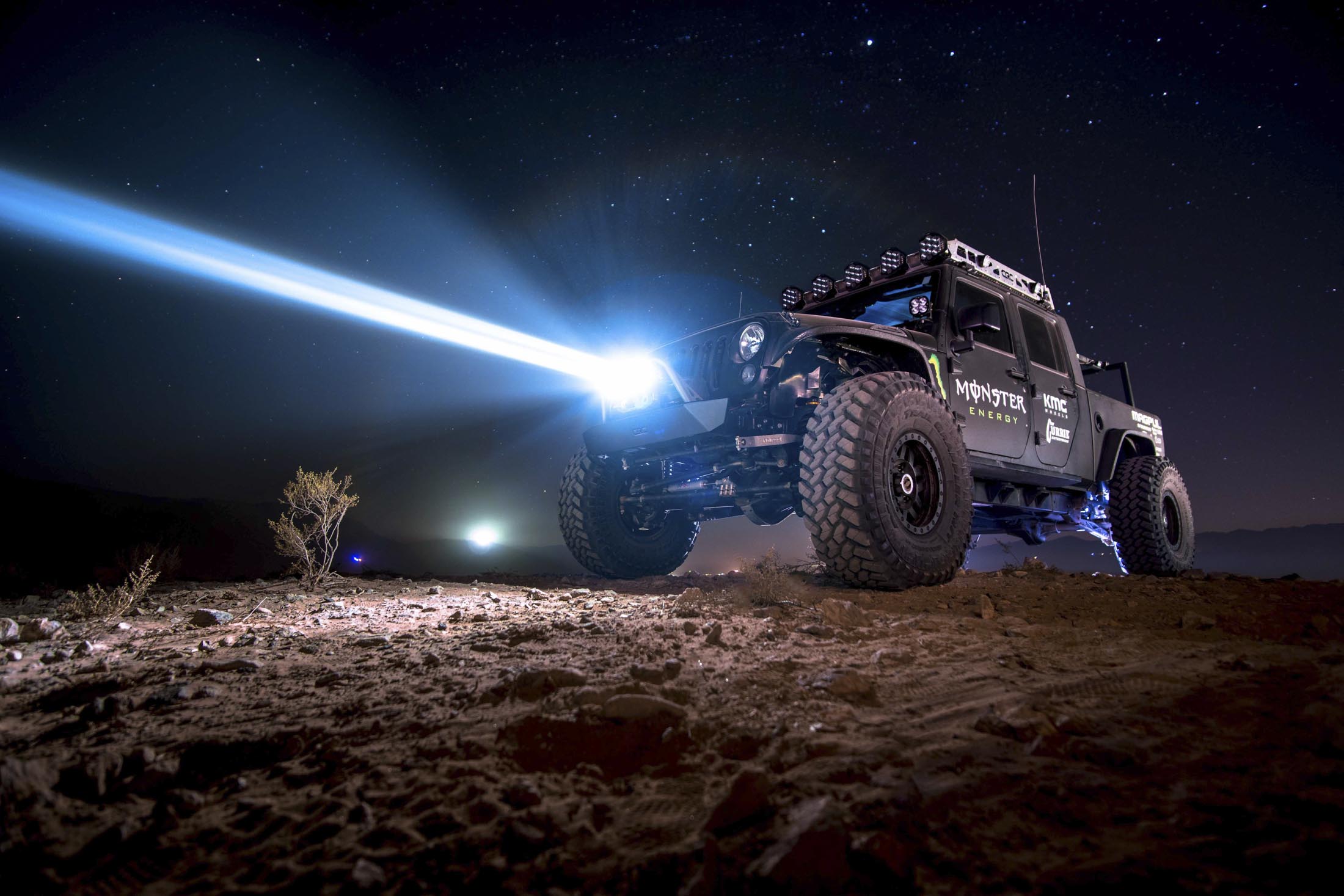
Credit: www.bloomberg.com
Frequently Asked Questions On Laser Headlight For Car
Are Laser Headlights Legal?
Laser headlights are legal in some countries but must comply with regional vehicle lighting regulations. Always check your local laws to ensure legality before installation.
Are Laser Headlights Better Than Led?
Laser headlights provide greater illumination range than LED headlights. They are more energy-efficient and have a longer lifespan. However, LED headlights are currently more widespread and cost-effective for most drivers.
Do Laser Headlights Work?
Yes, laser headlights work by producing a powerful, bright light that enhances visibility for night driving while using less energy than traditional lights. They are used in some high-end cars.
Which Cars Have Laser Headlights?
Several high-end car brands offer laser headlights, including BMW, Audi, and Mercedes-Benz. These innovative lights provide enhanced illumination and range for safer night driving.
Conclusion
Laser headlights for cars are revolutionizing night-time driving. With superior illumination, they enhance safety and style. As technology advances, laser headlights might become standard, offering clearer visibility for all drivers. Consider upgrading your vehicle for a brighter, safer driving experience.
Embrace the laser light; transform your ride.