Retrofitting laser headlights involves upgrading traditional car lighting systems. This advanced lighting option offers superior visibility and range.
Laser headlights retrofit is the process of replacing a vehicle’s existing headlights with laser-based illumination systems. These headlights are coveted for their energy efficiency and the intense, bright light they emit, which can illuminate the road ahead much further than traditional halogen or LED lights.
They are also known for their compact size, offering new possibilities in headlight design and aerodynamics. Installing laser headlights can be a forward-thinking modification for car enthusiasts looking to enhance their nighttime driving experience and improve safety. While retrofitting laser headlights may sound like a technological leap, it’s essential to ensure compatibility with your vehicle and adherence to local regulations regarding automotive lighting.

Credit: m.youtube.com
Understanding Laser Headlights Technology
The future of automotive lighting has arrived with laser headlights technology, transforming the way we see our roads at night. Laser headlights offer exceptional brightness and range compared to traditional bulbs, embodying advancements in efficiency, longevity, and performance. Let’s delve into the mechanics of this cutting-edge feature and explore why a retrofit could revolutionize your driving experience.
Basics Of Laser Headlights Vs Traditional Bulbs
Laser headlights are not just an incremental improvement over traditional bulbs; they represent a quantum leap in automotive lighting. Unlike the conventional halogen or LED lights that use filaments and diodes, laser headlights employ laser diodes to produce light.
- Laser diodes emit a powerful beam that is focused onto a phosphorous substance, which then emits a bright, white light.
- Traditional bulbs, on the other hand, generate light by heating a filament or through an electric current passing through a semiconductor in LEDs.
This fundamental difference gives laser headlights an edge in terms of efficiency and light concentration. Let’s illuminate the advantages of making the switch.
Benefits Of Upgrading To Laser Headlights
- Increased Range: Laser headlights dramatically extend the driver’s visible range on the road.
- Improved Efficiency: These lights consume less energy, reducing the demand on your vehicle’s electrical system.
- Better Longevity: With a longer lifespan than traditional bulbs, laser headlights can outlast the vehicle itself.
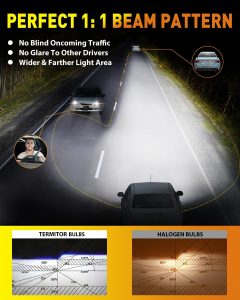
- Precision and Control: The intensity and beam pattern can be fine-tuned for optimal roadway illumination without blinding other drivers.
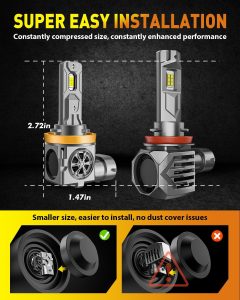
- Compact Size: Laser diodes are minuscule, allowing for more creative headlight designs and aerodynamics.
Laser Headlights Retrofit: Illuminate The Night!
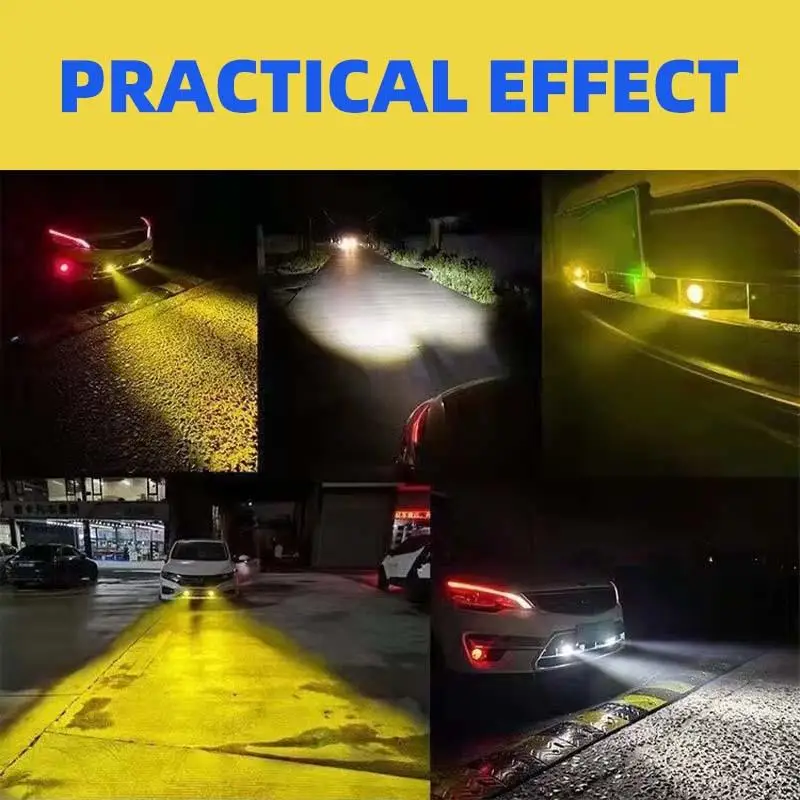
Experiencing the difference laser headlights make at night is like stepping from a dimly lit room into broad daylight. Retrofitted laser headlights cut through the darkness with unparalleled clarity. Vehicles benefit from a stark difference in visibility, with a brighter and longer-reaching beam that significantly enhances night-driving safety.
| Laser Headlights | Traditional Bulbs |
|---|---|
| Greater Luminance: Up to 1000 times brighter than LEDs. | Comparatively dimmer illumination. |
| Longer Beam Distance: Illuminates up to twice the distance of LEDs. | Limited range hampers visibility. |
| Energy Efficient: Consumes about half as much power. | Higher energy consumption. |
| Focused Beam: Less scatter and more precision. | Scattered light often leads to waste and glare. |
Retrofitting your vehicle with laser headlights is not just a luxury; it’s an investment in safety and performance. Whether driving on a dark, winding road or combating poor weather conditions, the superior illumination from laser headlights helps drivers navigate the night with confidence.
Choosing Your Laser Headlights Kit
Laser headlights represent the pinnacle of forward lighting technology, offering superior brightness and energy efficiency compared to traditional halogen or even LED options. When upgrading your vehicle’s lighting system, selecting the right retrofit kit ensures a seamless transition to these high-tech illuminators. This guide is dedicated to helping you make an informed choice as you navigate the various laser headlights kits available.
What To Look For In A Laser Headlights Retrofit Kit
Diving into the world of laser headlights, it’s critical to prioritize several factors. A top-notch laser headlights retrofit kit should possess the following features:
- High luminous efficacy for maximum brightness
- Long lifespan, reducing the need for frequent replacements
- Robust construction designed to withstand various driving conditions
- Ease of installation with clear instructions
- Reliable thermal management to prevent overheating
- Legal compliance with road safety standards and regulations
- Warranty and customer support from the manufacturer
Compatibility With Your Vehicle
Ensuring compatibility is the cornerstone of selecting a laser headlights kit. Every vehicle comes with its own set of specifications, and not all retrofit kits will fit your car’s model or make. Here’s what to consider:
| Compatibility Factor | Details to Check |
|---|---|
| Headlight Size | Match the retrofit kit measurements with your car’s headlight housing dimensions. |
| Connector Type | Ensure the plug type of the kit aligns with your vehicle’s headlight connector. |
| Vehicle’s Electrical System | Check if your car supports the electrical requirements of the laser kit. |
| Mounting | Verify that the retrofit mounting brackets are compatible with your vehicle. |
Consulting your car’s manual or reaching out to the manufacturer can provide you with precise information for a flawless integration.
Top-rated Laser Headlights Kits In The Market
With these criteria in mind, exploring the upper echelon of laser headlights kits is the next step. Noteworthy mentions that have garnered acclaim include:
- BMW Laser Headlights – Renowned for their intensity and efficiency.
- Audi Laser Light – Pioneers in laser technology offering dynamic range and precision.
- OSRAM Laser Driving Lights – Acknowledged for their robust performance in various conditions.
Reading customer reviews, analyzing before-and-after results, and verifying product certifications can aid in choosing an exceptional laser headlights retrofit kit. Aim for products that deliver on their promises and stand the test of time.
Step By Step Retrofitting Process
Upgrading your vehicle with laser headlights not only enhances the aesthetics but significantly improves nighttime visibility. The retrofitting process for installing laser headlights is a meticulous task that requires precision and care. Let’s break down the steps for a seamless installation that will transform your driving experience.
Tools and materials needed for installationTools And Materials Needed For Installation
Before diving into the retrofit, gather the following tools and materials:
- Screwdrivers (various sizes)
- Ratchet and socket set
- Trim removal tools
- Wire crimpers and strippers
- Electrical tape and heat shrink tubing
- Laser headlight kit compatible with your vehicle
- Mounting brackets and hardware
- Vehicle service manual
Detailed Walkthrough Of The Retrofitting Procedure
The retrofitting procedure involves multiple stages, outlined below for clarity:
- Headlight Removal: Disconnect the battery. Use screwdrivers and trim tools to carefully remove the front bumper and existing headlights.
- Headlight Housing Modification: With the correct mounting brackets in place, modify the headlight housings if necessary to accommodate the laser modules.
- Wiring: Follow the wiring diagram supplied with the laser headlight kit to connect the new headlights. Use crimpers and heat shrink to secure connections.
- Installation: Fit the laser headlights into the housings and secure them using the provided hardware. Re-attach the front bumper.
- Adjustment and Testing: Adjust beam alignment as per the manufacturer’s specifications. Reconnect the battery and test the lights to ensure they function correctly.
Safety Precautions During The Installation
Safety always comes first. Adhere to these precautions:
- Ensure the vehicle’s battery is disconnected before starting to prevent electrical shocks.
- Wear protective gloves and eyewear to safeguard against sharp edges and debris.
- Work in a well-lit, clean, and dry environment to avoid accidents and errors.
- Verify that the laser headlights are properly secured before driving the vehicle.
After Installation Care And Maintenance
Completing a laser headlights retrofit on your vehicle can significantly improve visibility and safety during night driving. However, like any high-tech automotive feature, they require proper care and maintenance. Ensuring that your newly installed laser headlights remain in peak condition will guarantee optimal performance and longevity. Below are essential tips and troubleshooting advice for maintaining your laser headlights post-retrofit.
Tips for maintaining laser headlightsTips For Maintaining Laser Headlights
Maintaining the pristine condition of your laser headlights not only helps with delivering superb illumination but also extends their lifespan. Here’s how to keep them in top shape:
- Regular Cleaning: Dirt and debris can obscure the headlights, diminishing their effectiveness. Clean the lenses regularly with a soft, clean cloth and appropriate cleaning solution.
- Inspection: Periodically check the headlights for any signs of damage such as cracks or moisture buildup that can affect the laser system.
- Proper Alignment: Ensure the headlights are correctly aligned to prevent blinding oncoming traffic and maximize the area of illumination.
- Professional Calibration: Seek professional calibration yearly or after any front-end collision to maintain the precise beam focus laser headlights are known for.
Troubleshooting Common Issues Post-retrofit
As robust as laser headlights are, occasional issues may surface after installation. Here’s how to troubleshoot some of the common problems:
- Dimming Lights: Should the headlights appear dimmer than usual, check the vehicle’s battery and alternator for sufficient power output.
- Flickering: Flickering can result from loose connections. Double-check all wiring and connectors for a secure fit.
- Non-Functioning Lights: If one or both lights fail, ensure the fuses are intact and replace if necessary.
When To Seek Professional Assistance
While many headlight issues can be addressed through simple checks and adjustments, situations may arise where professional help is the best course of action:
- Error Messages: If your vehicle’s dashboard is displaying error messages related to the headlights, diagnostics may be required beyond the layman’s tools and knowledge.
- Internal Component Failure: Laser headlights contain intricate components that, if failed, would need an expert’s touch to replace or repair.
- Persistent Issues: When problems persist despite your troubleshooting efforts, it’s time to let a trained technician take a look.
Remember, maintaining your laser headlights should be part of your regular vehicle care routine to ensure peak performance and safety on the road.
Legal And Safety Considerations
Switching to laser headlights can offer drivers enhanced visibility and a cutting-edge look for their vehicles. However, before embarking on a laser headlights retrofit, it’s crucial to navigate through a murky sea of regulations and safety standards. Ensuring compliance not only keeps you within the boundaries of the law but also guarantees the upgrade contributes positively to road safety. Below, we’ll dive into the pivotal aspects of retrofitting your car with laser headlights and how to tackle the legal and practical hurdles you might face.
Understanding Regulations Around Laser Headlights
Laser headlights are subject to strict regulations, which vary significantly across different regions. To ensure you remain on the right side of the law, you must familiarize yourself with the specific guidelines that govern the use of these advanced lighting systems in your area. This encompasses obtaining the correct certification, understanding the intensity and range limits, and ensuring that your new headlights do not cause any impairment to oncoming traffic. In many cases, the Department of Motor Vehicles (DMV) or equivalent authority provides these guidelines.
Ensuring Your Retrofit Meets Road Safety Standards
Safety is paramount when it comes to any vehicle modification, particularly when it involves critical components like headlights. A retrofit must not only deliver an aesthetically pleasing result but more importantly, it should uphold or enhance the vehicle’s safety performance. This means that the retrofit should at all times ensure proper alignment, avoid glare, and maintain consistent luminosity in accordance with road safety standards. Additionally, it’s essential to consider the impact of the retrofit on the vehicle’s overall lighting system, including indicators and brake lights.
Impact On Insurance And Vehicle Warranty
The decision to upgrade to laser headlights might have ramifications for your vehicle insurance and warranty. Insurers need to be notified of any substantial changes to the vehicle as they could affect the policy terms and premiums. It’s vital to check with your insurer to understand how a retrofit might alter your coverage. Similarly, tampering with the lighting system of your vehicle may void or alter your warranty. Ensure you review your vehicle’s warranty policy or consult with the manufacturer to understand the implications such an upgrade could have.
Frequently Asked Questions Of Laser Headlights Retrofit
Are Laser Headlights Legal?
Laser headlights are legal in some regions, but regulations vary by country and state. It’s essential to check local laws before installation as restrictions and approval requirements may apply.
Are Laser Headlights Better Than Led?
Laser headlights offer greater illumination range than LED, enhancing visibility at night. They are more energy-efficient and have a longer lifespan, making them a superior choice for advanced lighting needs.
What Is A Retrofit Headlight?
A retrofit headlight involves upgrading a vehicle’s existing headlight system to enhance performance, typically with brighter bulbs or modern technologies such as LED or HID lighting.
How Bright Are Laser Headlights?
Laser headlights can shine up to 600 meters ahead, offering about twice the visibility range of LED lights. Their intensity and efficiency make them exceptionally bright while maintaining energy savings.
Conclusion
Upgrading your headlights to laser technology can revolutionize night-time driving. Enjoy enhanced visibility, driving comfort, and a sleek aesthetic upgrade. Embrace the future illumined by the precision of laser headlights. Start the retrofitting journey; your vehicle deserves this cutting-edge brilliance on the road.
Safe travels await.