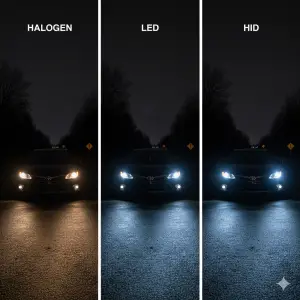

Aftermarket headlights come in various types, including halo headlights, halogen headlights, HID headlights, LED headlights, and laser headlights. Halo headlights are popular for their luminous rings, while halogen headlights are the most common and affordable option.
HID, LED, and laser headlights offer enhanced brightness and energy efficiency. When choosing aftermarket headlights, refer to your vehicle’s user manual to determine the bulb size, and consider factors such as brightness, energy efficiency, and glare. LED headlights are often preferred for their brightness and lack of glare, while halogen headlights are a cost-effective choice.
Conduct thorough research and consider your specific needs before making a decision.
Halo Headlights
Upgrade your vehicle’s headlights with aftermarket options like halo headlights. These headlights feature luminous rings that surround the main light source, adding a stylish and modern look to your car. Explore different types of aftermarket headlights, including halogen, HID, LED, and laser, to find the best fit for your needs.
Definition And Features Of Halo Headlights
Halo headlights, also known as angel eyes or corona rings, are a popular type of aftermarket headlights that feature luminous rings surrounding the main headlights. These rings are typically illuminated by LED bulbs, giving off a bright and stylish glow. Halo headlights were originally introduced in luxury vehicles, but they have now gained popularity in the aftermarket industry due to their unique and eye-catching design.
How Halo Headlights Enhance Visibility And Appearance
Aside from their aesthetics, halo headlights offer several practical benefits. One of the main advantages is enhanced visibility. The bright halo rings act as daytime running lights, making your vehicle more visible to other drivers on the road. This increased visibility can improve safety, especially in low-light conditions or during inclement weather.
Besides visibility, halo headlights also enhance the overall appearance of your vehicle. Their sleek and modern design instantly adds a touch of elegance and sophistication. Whether driving in the day or at night, halo headlights give your car a distinctive and stylish look that sets it apart from the crowd.
Pros And Cons Of Using Halo Headlights
| Pros | Cons |
|---|---|
| – Enhanced visibility for safer driving | – Installation may require some wiring modifications |
| – Stylish and modern appearance | – Can be expensive compared to other aftermarket headlights |
| – Easy to install with compatible mounting brackets | – Some halo headlights may dim over time |
| – Available in various colors to match your vehicle’s theme | – LED bulbs may require occasional replacement |
Overall, halo headlights offer a combination of style and functionality. However, it’s important to research and choose high-quality halo headlights from reputable brands to ensure longevity and optimal performance.
Halogen Headlights
Halogen headlights are one of the most common types of aftermarket headlights available in the market today. Known for their simple design, these headlights have been around since the beginning and have stood the test of time. Halogen headlights utilize a tungsten filament enclosed in a glass casing filled with halogen gas. When electricity passes through the filament, it heats up and produces a bright white light that illuminates the road ahead.
Halogen headlights come with several advantages. Firstly, they are the most affordable option among aftermarket headlights, making them a popular choice for budget-conscious drivers. Furthermore, halogen headlights provide good visibility and output a bright white light that closely resembles natural sunlight. They are also relatively easy to install and replace.
However, halogen headlights have their limitations as well. One disadvantage is that they tend to produce more heat, which can lead to a decrease in their lifespan. Additionally, halogen bulbs consume more energy compared to other types of headlights, making them less energy-efficient. Lastly, halogen headlights may have a yellowish tinge to the light emitted, which can affect the overall appearance of the vehicle.
Halogen headlights are compatible with a wide range of vehicles, ensuring that drivers have plenty of options when selecting aftermarket headlights. Whether you drive a sedan, SUV, or truck, chances are you can find halogen headlights that are compatible with your vehicle’s make and model. When purchasing halogen headlights, it’s essential to check the bulb size and compatibility with your vehicle’s specific requirements.
High Intensity Discharge (hid) Headlights
Upgrade your vehicle’s headlights with aftermarket options like High Intensity Discharge (HID) headlights. These powerful lights provide bright and efficient illumination, enhancing visibility on the road. Upgrade your headlights for improved safety and style.
Understanding Hid Headlights And Their Benefits
High Intensity Discharge (HID) headlights are a popular type of aftermarket headlights that provide many benefits over traditional halogen lights. HID headlights use a unique technology that produces a high-intensity arc of light, resulting in better visibility and illumination on the road. Some key benefits of HID headlights include: 1. Enhanced Visibility: HID headlights emit a brighter and whiter light compared to halogen lights, which helps drivers see objects on the road more clearly, especially during nighttime or in adverse weather conditions. 2. Longer Lifespan: HID headlights generally last longer than halogen lights. They have a lifespan of around 2,000 to 3,000 hours, while halogen lights typically last about 500 to 1,000 hours. This means less frequent bulb replacements and cost savings in the long run. 3. Energy Efficiency: HID headlights are more energy-efficient compared to traditional halogen lights. They require less power to produce a brighter light, resulting in lower energy consumption and reduced strain on the vehicle’s electrical system.Comparison Of Hid Headlights With Other Types
When comparing HID headlights with other aftermarket headlight options, there are a few key differences to consider: 1. Halogen Headlights: Halogen lights are the most common type of headlights found in vehicles. While they are affordable and widely available, they produce a dimmer and yellowish light compared to HID headlights. Halogen lights also have a shorter lifespan and consume more energy. 2. LED Headlights: LED headlights are another popular aftermarket option. They provide bright and crisp illumination, similar to HID headlights. However, LED headlights are typically more expensive upfront and may require additional modifications to fit certain vehicle models. 3. Laser Headlights: Laser headlights are the latest advancement in headlight technology. They offer even greater brightness and visibility compared to HID and LED headlights. However, laser headlights are currently limited to high-end luxury vehicles and come with a high price tag.Issues And Drawbacks Of Using Hid Headlights
While HID headlights have numerous benefits, it’s important to be aware of their potential drawbacks: 1. Glare: HID headlights can produce a brighter and more intense light, which may cause glare for oncoming drivers if not properly adjusted. Improperly installed or misaligned HID headlights can significantly reduce visibility for other drivers on the road. 2. Retrofitting Challenges: Retrofitting HID headlights into vehicles that were originally designed for halogen lights can be challenging. It may require additional modifications and adjustments to ensure proper fitment and functionality. 3. Cost: HID headlights are generally more expensive than halogen lights and some other aftermarket options. The initial investment may be higher, but the long lifespan and energy efficiency can offset the cost over time. In conclusion, HID headlights offer improved visibility, a longer lifespan, and energy efficiency compared to halogen lights. However, they may cause glare if not installed properly and require careful consideration when retrofitting into certain vehicle models. When choosing aftermarket headlights, it’s essential to weigh the benefits and drawbacks of each type to make an informed decision.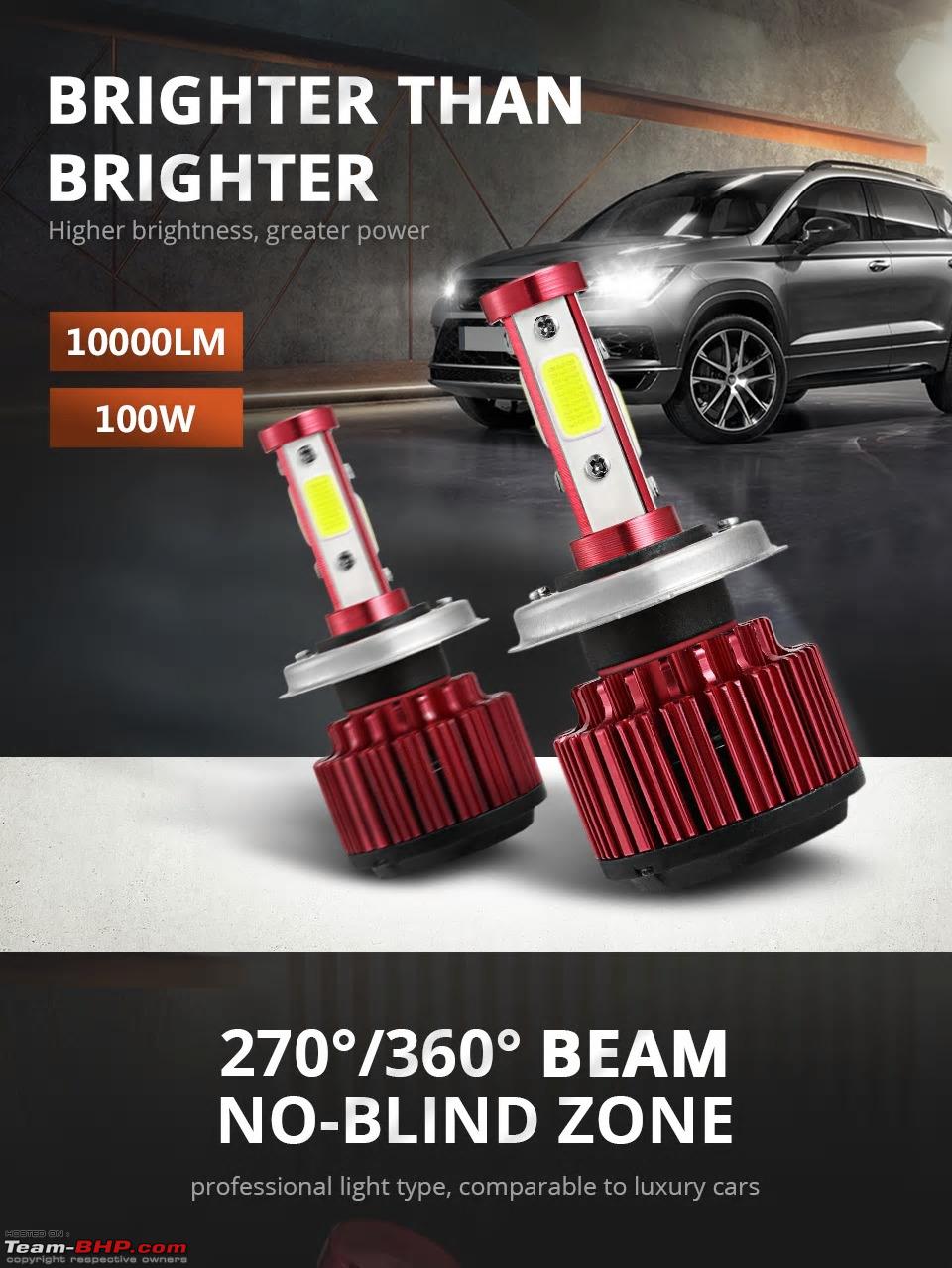
Credit: www.team-bhp.com
Led Headlights
LED headlights are rapidly gaining popularity in the automotive industry due to their numerous advantages over other types of headlights. Not only do they provide better visibility, but they also offer improved energy efficiency and longevity. In this section, we will delve into an overview of LED headlights and their advantages, as well as discuss the differences between LED headlights and other types.
Overview Of Led Headlights And Their Advantages
LED headlights, short for Light Emitting Diode headlights, are a cutting-edge technology that has revolutionized the automotive lighting industry. Unlike classic halogen or high intensity discharge (HID) headlights, LED headlights use a combination of diodes and semiconductors to produce bright and focused light. This results in a clear and crisp beam, enhancing visibility in all conditions.
What sets LED headlights apart from other types is their exceptional efficiency. LED technology allows headlights to produce the same level of illumination with significantly lower power consumption, extending the life of your vehicle’s battery. These headlights also have a longer lifespan compared to halogen or HID headlights, saving you money on replacements in the long run.
Differences Between Led Headlights And Other Types
When comparing LED headlights to other types, such as halogen or HID, several key differences emerge. Firstly, LED headlights offer a more focused and controlled beam of light, ensuring maximum visibility while minimizing light scatter. This makes them ideal for night driving and adverse weather conditions.
Secondly, LED headlights have a faster response time, instantly illuminating to full brightness as soon as you turn them on. This immediate response eliminates the delay often associated with halogen or HID headlights, providing enhanced safety on the road.
Lastly, LED headlights are more durable and resistant to vibrations, making them an excellent choice for off-road enthusiasts or those who frequently encounter rough terrain. Their solid-state construction eliminates the need for fragile filaments and fragile gas-filled bulbs found in halogen or HID headlights.
Energy Efficiency And Longevity Of Led Headlights
One of the most significant advantages of LED headlights is their energy efficiency. LED technology converts a large portion of electrical energy into visible light, minimizing energy waste in the form of heat. This efficiency results in less strain on your vehicle’s electrical system and increased fuel economy.
The longevity of LED headlights is another standout feature. On average, LED headlights can last up to 25,000 hours or more, significantly outperforming halogen or HID headlights. This extended lifespan not only reduces the frequency of bulb replacements but also decreases overall maintenance costs.
| Advantages of LED Headlights |
|---|
| Improved visibility |
| Energy efficient |
| Longer lifespan |
| Quick response time |
| Durable and resistant to vibrations |
Overall, LED headlights offer a range of benefits that make them a superior choice for upgrading your vehicle’s lighting system. From their enhanced visibility to their energy efficiency and long lifespan, LED headlights provide a significant improvement in both safety and performance.
Laser Headlights
When it comes to aftermarket headlights, one of the most innovative and advanced options available is the laser headlights. Laser headlights utilize cutting-edge technology to provide exceptional brightness and clarity, making them a popular choice among car enthusiasts and manufacturers alike.
Introduction To Laser Headlights And Their Unique Features
Laser headlights are a type of aftermarket headlight that utilize laser diode technology to create a focused beam of light. These headlights offer several unique features that set them apart from other types of headlights.
One of the key advantages of laser headlights is their incredible brightness. These headlights can produce beams that are significantly brighter than traditional halogen or even LED headlights. The intense brightness allows for enhanced visibility, especially in low-light conditions, ensuring a safer driving experience.
Another distinctive feature of laser headlights is their exceptional range. Laser beams have a longer throw distance compared to other headlight types, providing better illumination of the road ahead. This extended range allows drivers to spot potential hazards or obstacles from a greater distance, allowing for quicker reaction times.
In addition to brightness and range, laser headlights also offer superior color temperature. The color temperature of laser headlights is closer to natural daylight, providing more accurate and vibrant illumination. This enhanced color temperature not only enhances visibility but also reduces eye strain and fatigue during nighttime driving.
Applications And Limitations Of Laser Headlights
Laser headlights find applications in various industries, including the automotive sector, where they are increasingly being used in premium and high-end vehicles. The exceptional brightness, range, and color accuracy of laser headlights make them ideal for luxury vehicles that aim to provide the ultimate driving experience.
However, it’s important to note that laser headlights do have some limitations. One limitation is their higher cost compared to other aftermarket headlight options. Due to the advanced technology and materials used in laser headlights, they tend to be more expensive to manufacture and install. This cost factor makes laser headlights less accessible to the average car owner.
Another limitation of laser headlights is their complexity. The intricate design and delicate components of laser headlights require skilled technicians for installation and maintenance. Moreover, repairing or replacing laser headlights can be more challenging and expensive than other headlight types.
Safety Concerns And Regulations Associated With Laser Headlights
While laser headlights offer several benefits, there are safety concerns and regulations associated with their use. Laser beams, if not properly controlled, can be hazardous to other drivers, pedestrians, and wildlife.
To address these concerns, various regulations and standards have been put in place to ensure the safe operation of laser headlights. These regulations include setting limits on the brightness and direction of laser beams, as well as guidelines for beam shaping and beam control technology.
Car manufacturers must adhere to these safety regulations when incorporating laser headlights into their vehicles. Additionally, frequent inspections and certifications are required to ensure compliance with safety standards.
In conclusion, laser headlights offer unparalleled brightness, range, and color accuracy, making them a sought-after option in the aftermarket headlight market. However, their higher cost, complexity, and safety regulations should be considered before selecting laser headlights for your vehicle.
Frequently Asked Questions For Types Of Aftermarket Headlights
What Are The 4 Types Of Headlights?
The four types of headlights are halogen, xenon/bi-xenon, LED, and laser headlights. Halogen headlights are the most common and cheapest option. Xenon headlights are a modern alternative to halogen. LED headlights are brighter and more energy-efficient. Laser headlights are high-end and found in premium cars.
What Are The Best Aftermarket Headlights?
The best aftermarket headlights include halo headlights, halogen headlights, HID headlights, LED headlights, and laser headlights. Choose the type that suits your vehicle and preferences. Make sure to refer to your vehicle’s user manual to find the right bulb size for replacement.
LED headlights are energy-efficient and provide instant light. Avoid glare by opting for LEDs instead of HIDs.
How Do I Choose Aftermarket Headlights?
To choose aftermarket headlights, refer to your vehicle’s user manual to find out the bulb size needed. Search online for LEDs with the same bulb size. LEDs are brighter, compact, energy efficient, and provide instant light. Avoid glare from HID lights.
Check the best aftermarket LED headlight brands for a wide selection.
Which Is Better Hid Or Led Lights?
LED lights are generally considered better than HID lights. LEDs are brighter, more energy efficient, and provide instant light. They are also compact and do not produce the same glare as HIDs. LED headlights are a popular choice for aftermarket upgrades.
Conclusion
There are several types of aftermarket headlights available in the market to enhance the look and functionality of your car. Halo headlights, halogen headlights, HID headlights, LED headlights, and laser headlights are among the popular options. Each type offers its own unique advantages and drawbacks.
When choosing aftermarket headlights, consider factors such as brightness, energy efficiency, cost, and compatibility with your vehicle. Whether you prefer a classic look or a modern sleek design, there is a type of aftermarket headlight that will suit your needs.
Upgrade your car’s headlights to improve visibility and give your vehicle a stylish edge.