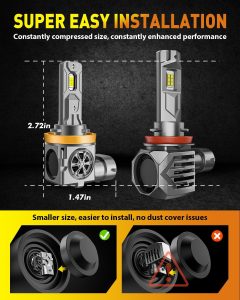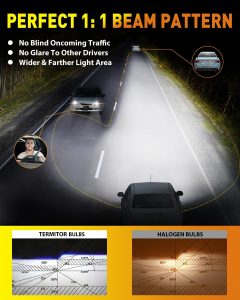

There are two types of headlight beams: low beam and high beam. Low beams are used to see the road in the dark and make the vehicle visible to other drivers.
High beams are brighter and point straight ahead, but can be a hazard for other drivers. Different types of headlight bulbs include halogen, xenon, LED, and laser. Halogen headlights are the cheapest option, while laser headlights are the brightest. Understanding the different types of headlights and when to use them is important for safe driving.
1. Halogen Headlights
1. Halogen HeadlightsHalogen headlights are one of the most commonly used types of headlights in the automotive industry. These headlights have a simple design and were the first to appear on the market. They work by utilizing a halogen gas mixture inside the bulb, which improves the efficiency and brightness of the light.
Definition And Working Principle Of Halogen Headlights
Halogen headlights, also known as tungsten-halogen bulbs, consist of a tungsten filament encased in a small round glass envelope filled with halogen gas. When an electric current passes through the filament, it heats up and produces light. The halogen gas prevents the bulb from blackening and prolongs its lifespan by recycling the tungsten particles back to the filament.
Advantages And Disadvantages Of Halogen Headlights
Halogen headlights have both advantages and disadvantages, which make them a popular choice in the automotive industry. Let’s take a look at some of the main pros and cons:
Advantages:
- Cost-effective: Halogen headlights are relatively inexpensive compared to other types of headlights.
- Availability: They are widely available and can be easily replaced if needed.
- Easy installation: Halogen headlights are designed to be compatible with most vehicles, making the installation process simple.
- Warm color temperature: The light emitted by halogen headlights has a warm, yellowish hue, which some drivers find more comfortable and natural to the eye.
- Good visibility: Halogen headlights provide decent visibility on the road, especially in normal driving conditions.
Disadvantages:
- Lower lifespan: Compared to other types of headlights, halogen bulbs have a relatively shorter lifespan.
- Higher energy consumption: Halogen headlights tend to consume more energy compared to newer technologies.
- Less brightness: While halogen headlights provide sufficient illumination for most drivers, they are not as bright as some of the newer options on the market.
Common Applications Of Halogen Headlights In The Automotive Industry
Halogen headlights are widely used in the automotive industry for various applications. Here are some common uses:
| Application | Explanation |
|---|---|
| Low beam headlights | Halogen headlights are commonly used as low beam headlights, providing adequate illumination for normal driving conditions. |
| High beam headlights | Halogen headlights are also used as high beam headlights, offering increased brightness for better visibility on dark roads or at higher speeds. |
| Fog lights | Halogen bulbs are often used in fog lights due to their warm color temperature, which helps cut through fog and enhance visibility in adverse weather conditions. |
Overall, halogen headlights remain a popular choice due to their affordability, easy installation, and decent performance in most driving conditions. However, advancements in technology have resulted in newer options with improved efficiency and longevity.
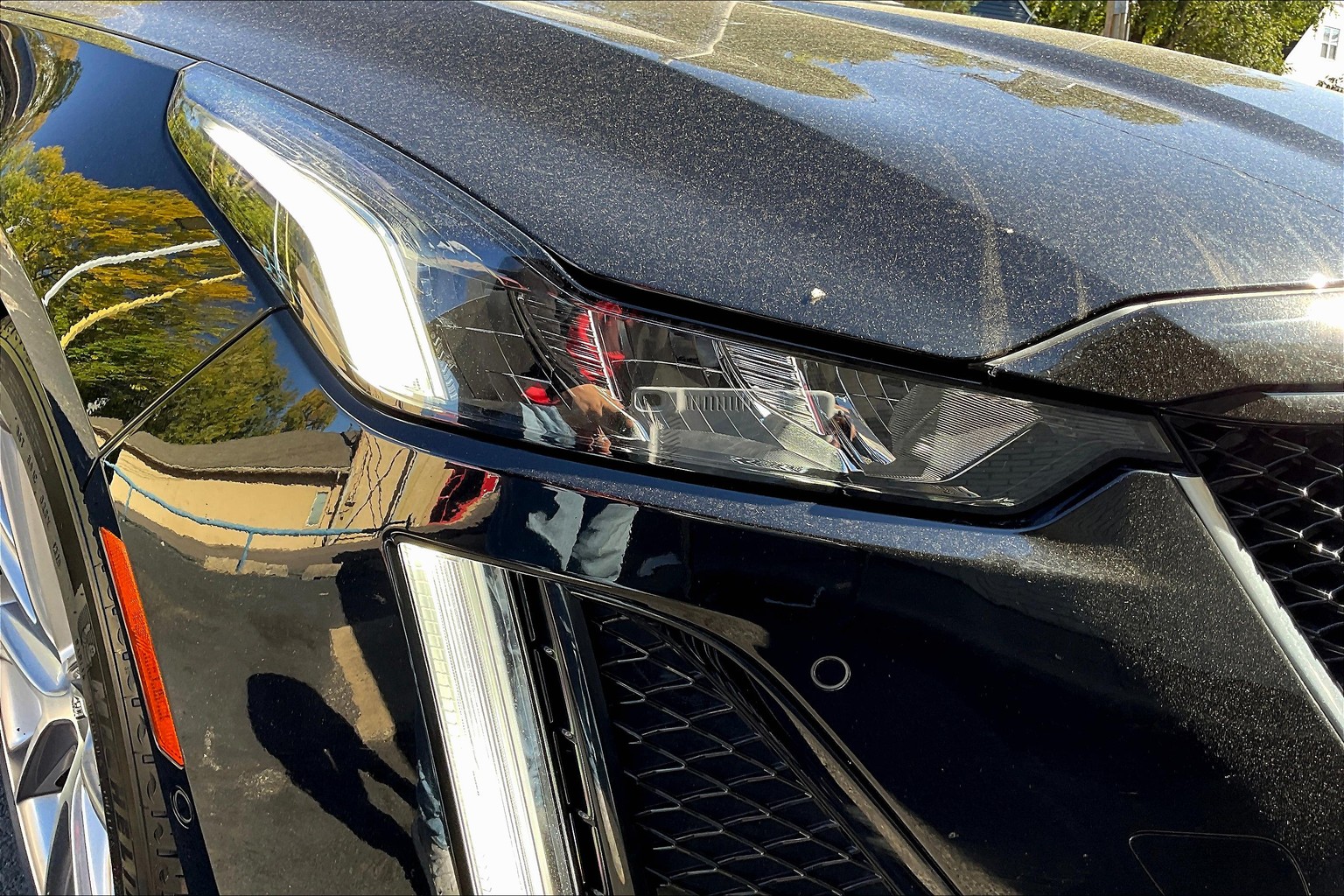
Credit: www.cabledahmerind.com
2. Hid (high-intensity Discharge) Headlights
Explanation of HID headlights and how they work
HID (High-Intensity Discharge) headlights, also known as xenon headlights, are a type of headlight that use high-intensity electric arc to produce light. Unlike halogen headlights which use a filament, HID headlights work by passing an electrical current through a xenon gas-filled chamber, resulting in a high-intensity arc of light. This creates a bright and intense light output, providing better visibility on the road.
HID headlights offer several advantages over traditional halogen headlights. Some of the pros of HID headlights include:
- Increased visibility: HID headlights produce a brighter and whiter light, improving visibility and making it easier to see objects on the road.
- Longer lifespan: HID headlights generally have a longer lifespan compared to halogen headlights.
- Energy efficient: HID headlights consume less power than halogen headlights, making them more energy-efficient.
However, HID headlights also have some drawbacks. Here are a few cons to consider:
- Higher cost: HID headlights are typically more expensive to purchase and install compared to halogen headlights.
- Complex installation: Installing HID headlights may require additional equipment and technical knowledge, making it more challenging for DIY installation.
- Potential glare: Due to their intense brightness, HID headlights can cause glare to oncoming drivers if not properly aligned.
When comparing HID headlights to halogen headlights, there are several key differences to consider:
| HID Headlights | Halogen Headlights |
|---|---|
| Produce a brighter and whiter light | Produce a yellowish light |
| Longer lifespan | Shorter lifespan |
| More energy-efficient | Less energy-efficient |
| Higher cost | Lower cost |
| Potential glare | Less likely to cause glare |
Overall, HID headlights are a popular choice for those looking for improved visibility and a more modern and stylish look for their vehicles. While they come with a higher price tag and may require professional installation, the benefits they offer in terms of brightness and energy efficiency make them a worthy investment for many car owners.
3. Led (light-emitting Diode) Headlights
LED (Light-Emitting Diode) headlights are a type of high beam headlights that emit a bright and focused light, making them efficient and effective in illuminating the road ahead. They provide a clear visibility to the drivers and are specially designed to improve safety and visibility during nighttime driving.
LED (Light-Emitting Diode) headlights are a modern and energy-efficient option for car headlights. They use a semiconductor diode to produce light, making them more durable and long-lasting compared to traditional halogen headlights. LED headlights are becoming increasingly popular among car owners due to their numerous benefits and advancements in technology.
Overview Of Led Headlights And Their Functionality
LED headlights function by using small diodes that emit light when an electric current is passed through them. These diodes are placed in a housing that focuses the emitted light to provide optimal visibility on the road. LED headlights produce a bright and pure white light, closer to natural daylight, which enhances visibility and reduces eye strain during nighttime driving.
Benefits And Drawbacks Of Led Headlights
- Energy-efficient: LED headlights consume less power than traditional halogen headlights, resulting in improved fuel efficiency.
- Durability: LED headlights have a longer lifespan, making them a more cost-effective choice in the long run.
- Instant illumination: LED headlights provide instant full brightness without any warm-up time, ensuring immediate visibility.
- Customization options: LED headlights come in various designs and colors, allowing car owners to personalize the look of their vehicles.
- Higher upfront cost: LED headlights can be more expensive to purchase initially compared to halogen headlights.
- Complexity of installation: Due to their unique design, LED headlights may require professional installation or modifications to fit certain vehicle models.
- Glare potential: In some cases, LED headlights may produce intense glare, affecting the visibility of other drivers on the road. It is essential to ensure proper alignment to minimize glare.
A Comparison Between Led And Halogen Headlights
| LED Headlights | Halogen Headlights |
|---|---|
| Energy-efficient | Less energy-efficient |
| Longer lifespan | Shorter lifespan |
| Instant full brightness | Warm-up time required |
| Customization options | Limited customization |
While LED headlights have a higher upfront cost, they offer significant advantages such as energy efficiency, durability, and instant illumination when compared to traditional halogen headlights. LED headlights also provide car owners with customization options to enhance the aesthetics of their vehicles.
4. Laser Headlights
Laser headlights are a type of headlight beam used in cars. They provide a bright and concentrated light source, allowing for improved visibility on the road. Laser headlights offer a longer range and greater precision compared to other types of headlights, making them a popular choice for modern vehicles.
beam headlights are used to provide maximum visibility when driving in dark and open roads. On the other hand, dipped beam headlights have a lower intensity and they are angled slightly downward to prevent blinding oncoming drivers. In this blog post, we will focus on the fourth type of headlight beam, which is laser headlights. Laser headlights are a relatively new innovation in automotive lighting technology that offer some unique features and advantages. Let’s dive deeper into this topic and explore the world of laser headlights.Introduction To Laser Headlights And Their Unique Features
Laser headlights are an advanced type of headlight beam that utilize laser diodes to produce light. Unlike traditional headlights, which use filament bulbs or LEDs, laser headlights operate by stimulating a laser diode to emit a beam of highly focused light. This beam is then diffused by a phosphor converter, resulting in a bright and powerful white light that illuminates the road ahead. One of the most notable features of laser headlights is their exceptional brightness. Laser diodes generate intense light, allowing laser headlights to produce a beam that is significantly brighter than other types of headlights. This brightness enhances visibility, particularly in situations where high beam headlights are required, such as on dark and unlit roads. Another unique feature of laser headlights is their long-range illumination capability. The concentrated beam of light emitted by laser diodes can reach much farther distances compared to traditional headlights. This extended range enables drivers to see potential hazards or obstacles on the road well in advance, providing them with enhanced safety and reaction time.Advantages And Disadvantages Of Laser Headlights
Laser headlights offer several advantages over other types of headlights. Here are some key benefits: Advantages of Laser Headlights: – Increased brightness: Laser headlights produce an intense and highly focused beam of light, resulting in enhanced visibility and improved safety. – Extended range: The powerful beam of laser headlights can illuminate the road ahead for a greater distance, allowing drivers to spot potential dangers in advance. – Energy-efficient: Laser headlights require less power to operate compared to traditional headlights, making them more energy-efficient and environmentally friendly. – Sleek design: Laser headlights are typically more compact and can be integrated into the vehicle’s design more seamlessly, offering a sleek and modern aesthetic. However, it is important to note that laser headlights also have some drawbacks: Disadvantages of Laser Headlights: – Higher cost: Laser headlights are still a relatively new and advanced technology, making them more expensive to manufacture and purchase compared to traditional headlights. – Regulatory restrictions: Some regions have regulations in place that limit the use of laser headlights due to concerns about their potential blinding effect on other road users. – Complexity: Laser headlights require sophisticated optical systems and cooling mechanisms to ensure safe and effective operation, adding complexity to the overall headlight system.Differentiating Laser Headlights From Other Types Of Headlights
Laser headlights differ from other types of headlights in terms of their technology, brightness, range, and energy efficiency. While halogen headlights, LED headlights, and HID headlights all have their own advantages and disadvantages, laser headlights stand out due to their exceptionally bright and far-reaching illumination. In summary, laser headlights are a cutting-edge technology that offers superior brightness and extended range compared to traditional headlight beams. They provide enhanced visibility and safety while also offering a sleek and modern design. Despite their higher cost and regulatory restrictions, laser headlights are paving the way for the future of automotive lighting.Frequently Asked Questions On Types Of Headlight Beams
What Are The 4 Types Of Headlights?
The four types of headlights are halogen, HID, LED, and Laser. Halogen headlights are the cheapest, while laser headlights are the brightest and most advanced. Each type has its own advantages and uses.
What Are The Different Beam Headlights?
There are two types of beam headlights: low beam and high beam. Low beam headlights are used for regular driving, providing adequate visibility without blinding oncoming traffic. High beam headlights are brighter and more powerful, used on dark, unlit roads.
Using high beams inappropriately can be hazardous.
What Are The 3 Lights In A Headlight?
The three lights in a headlight are low beam, high beam, and sidelight. Low beam helps drivers see the road in the dark, high beam provides brighter light but can be a hazard for other drivers, and sidelight makes the car visible to other motorists.
How Do I Know If I Have Halogen Or Hid Headlights?
To determine if you have halogen or HID headlights, you can check the type of bulb used. Halogen headlights have a simple design and are the most common, while HID (High-Intensity Discharge) headlights produce a brighter, bluish-white light. Look for the bulb type or consult your vehicle’s manual for more information.
Conclusion
To sum up, understanding the different types of headlight beams is essential for every driver. Low beam headlights provide adequate lighting for driving at night, ensuring visibility without blinding other motorists. On the other hand, high beam headlights offer brighter illumination but should be used judiciously to avoid causing glare to oncoming traffic.
From halogen to LED and laser headlights, there are various options available to enhance visibility and safety on the road. It is important for drivers to be familiar with these different types and use them accordingly for a smooth and secure driving experience.