
Introduction
When driving at night or in poor weather conditions, your car’s headlights are essential for maintaining visibility and safety. However, not everyone fully understands the different types of beam headlights, how they work, and why they’re so important. This article will dive into what beam headlights are, explore their various types, and explain how they operate to ensure you get the most out of your car’s lighting system.

Credit: Amazon.com
What Are Beam Headlights?
Beam headlights refer to the primary lights on your car that project a focused beam of light onto the road, allowing you to see while driving in low-light conditions. These headlights are crucial for safe driving at night or during adverse weather conditions, as they illuminate the road ahead and make your vehicle visible to other drivers.
Different Types of Beam Headlights
Beam headlights come in different varieties, each with a specific purpose. The two main types are low beam headlights and high beam headlights, but there are also specialized lights like fog lights and adaptive headlights that fall under this category.
Common Terminology Used in Automotive Lighting
Terms like “low beams,” “high beams,” “fog lights,” and “adaptive headlights” are frequently used when discussing automotive lighting. Understanding these terms can help you better appreciate the functionality and importance of your vehicle’s headlights.
Types of Beam Headlights

Credit: Amazon.com
Low Beam Headlights
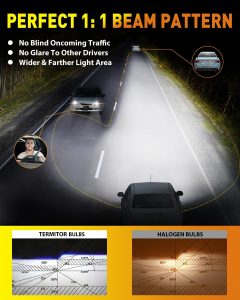
Low beam headlights are the standard lights used for everyday driving, particularly in urban and suburban areas. They are designed to cast a wide, downward-focused beam that illuminates the road without blinding oncoming traffic.
- Function and Purpose: Low beams provide sufficient light for driving at night while ensuring that the beam does not shine directly into the eyes of other drivers.
- When to Use Low Beams: These should be used in well-lit areas, during twilight, and in poor weather conditions where full beams might cause glare.
High Beam Headlights
High beams, also known as full beams, are more powerful and are used to illuminate the road over a greater distance. They project a straight-ahead beam that is much brighter than low beams.
- Function and Purpose: High beams are ideal for driving on dark roads with no streetlights, as they can light up the road for a considerable distance ahead.
- When to Use High Beams: They should only be used when there are no other vehicles ahead or coming toward you to avoid blinding other drivers.
Other Types of Beam Headlights
In addition to low and high beams, there are other specialized headlights designed for specific situations:
- Fog Lights: These are designed to cut through fog, rain, or snow by casting a low, wide beam that reduces glare from water droplets.
- Adaptive Beam Headlights: These advanced headlights adjust the beam direction and intensity based on driving conditions, enhancing visibility without causing glare to other drivers.
How Do Beam Headlights Work?
Basic Principles of Light Projection
Beam headlights work by projecting light from a bulb through a lens and reflector system. This setup focuses the light into a specific pattern that enhances road visibility while minimizing glare for other drivers.
Components of Beam Headlights

Credit: Amazon.com
Several components work together to ensure beam headlights function effectively:
- Reflectors: Reflectors are shaped to direct the light from the bulb into a specific beam pattern.
- Lenses: The lens helps focus the light and often incorporates diffusers or other technology to shape the beam pattern.
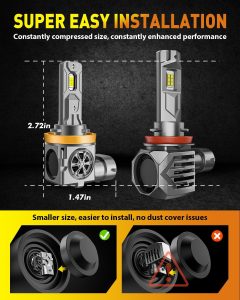
- Bulbs: Modern headlights use different types of bulbs, including halogen, LED, and HID (High-Intensity Discharge), each offering varying levels of brightness and energy efficiency.
The Role of the Electrical System
The vehicle’s electrical system powers the headlights, allowing drivers to switch between low and high beams as needed. In modern cars, the system may include sensors and controls that automatically adjust the beam depending on the driving conditions.
The Evolution of Beam Headlight Technology
From Sealed Beams to Modern Headlights
Headlight technology has evolved significantly over the years. Early cars used sealed beam headlights, which combined the lens, reflector, and bulb in a single, non-replaceable unit. Modern vehicles, however, use more sophisticated systems that allow for greater customization and efficiency.
Advances in LED and HID Technology
The introduction of LED and HID headlights marked a significant leap forward in headlight technology. These bulbs offer brighter light, longer lifespan, and improved energy efficiency compared to traditional halogen bulbs.
Introduction of Adaptive and Matrix Beam Headlights
Adaptive and matrix beam headlights represent the latest in automotive lighting technology. These systems use sensors and cameras to adjust the light pattern dynamically, ensuring optimal visibility without causing glare to other drivers.
Beam Patterns Explained
What is a Beam Pattern?
A beam pattern refers to the shape and distribution of light projected by the headlights. It determines how well the road is illuminated and how much glare is produced.
Differences Between High Beam and Low Beam Patterns
- Low Beam Patterns: These are designed to focus light downward and to the side, preventing direct glare at eye level.
- High Beam Patterns: High beams project light straight ahead in a concentrated pattern, offering greater distance illumination but with increased risk of glare.
How Beam Patterns Affect Visibility

Credit: Amazon.com
The beam pattern directly impacts how well you can see the road and other vehicles. A well-designed pattern improves visibility without causing undue glare for other drivers, enhancing overall road safety.
The Importance of Proper Headlight Alignment
Why Alignment Matters
Proper headlight alignment ensures that the light is directed where it’s needed most—on the road ahead—without blinding oncoming traffic. Misaligned headlights can cause poor visibility and increase the risk of accidents.
How to Check and Adjust Headlight Alignment
You can check your headlight alignment by parking on a level surface facing a wall and observing the light pattern. If necessary, adjust the alignment using the screws or knobs typically located near the headlight assembly.
Common Problems with Misaligned Headlights
Misaligned headlights can cause several issues, including reduced visibility, increased glare for other drivers, and uneven wear on the headlight bulbs.
Advanced Beam Headlight Technologies
Adaptive Beam Headlights
Adaptive beam headlights automatically adjust their direction and intensity based on the vehicle’s speed, steering angle, and surrounding light conditions. This technology enhances visibility around curves and hills, adapting to the driving environment in real time.