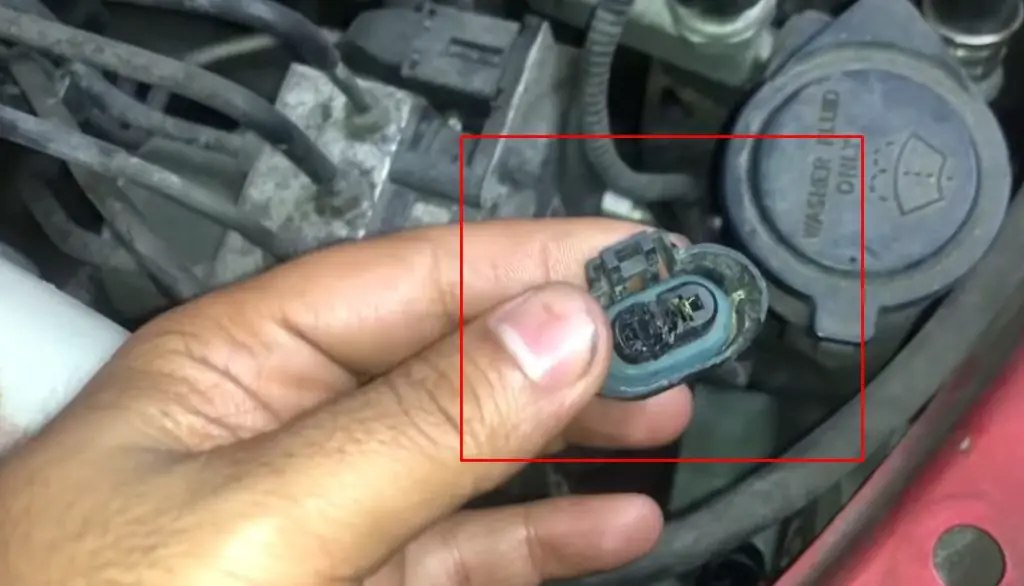
Your headlight plug may keep melting due to excessive electrical current or a poor connection. Heat builds up when the current surpasses what the plug can handle.
Headlight plugs are crucial components of a vehicle’s lighting system, ensuring that the headlights function correctly. A melting headlight plug is a common problem that drivers encounter, and it can compromise not only the functionality of the headlights but also the safety of the vehicle.
Excessive heat generated by a mismatched bulb wattage or a corroded connection can cause the plastic plug to melt. This issue often stems from using headlight bulbs that draw more power than the plug’s design can manage. Vehicle owners must address this problem promptly to maintain road safety and prevent further electrical damage.

Regular maintenance and checks can help identify early signs of wear and prevent the inconvenience of a malfunctioning headlight. Let’s describe “Why Does My Headlight Plug Keep Melting?”
Introduction To Headlight Plug Issues
Your car’s headlights are crucial for night-time visibility. But sometimes, a problem arises your headlight plug melts. Understanding why this happens is key to maintaining road safety. Let’s illuminate this issue!
Understanding Headlight Plug Functionality
Headlight plugs connect bulbs to the power supply. They ensure lights are operational. Electrical current travels through these plugs. Heat is generated during this process.
Typically made of plastic and metal, plugs must resist high temperatures. But if they melt, your headlights could fail, putting you at risk.
Common Symptoms Of Headlight Plug Failure
- Dimming Lights: Weak beam strength may signal plug problems.
- Flickering: Unstable light output is a red flag.
- Headlight Failure: No light? The plug might be the cause.
- Burnt Smell: An odor indicates potential melting.
- Visible Damage: Melted plastic at the plug is a clear sign.
Regular checks can catch these symptoms early. Prevent major issues by checking often.
Electrical Overload: The Main Culprit
Headlights are vital for nighttime driving, but what happens when they fail repeatedly? Often, the issue lies with headlight plugs melting. This problem commonly stems from electrical overload. Understanding the reasons behind this can prevent potential hazards on the road.
How Excessive Current Causes Melting
When excessive current flows through your headlight’s wiring, it generates heat. Wires and plugs are only designed to handle specific current levels. Beyond these, materials start to melt and deteriorate. This melting can compromise your headlights’ functionality and safety.
- Increased resistance: Damaged wires increase resistance and heat.
- Poor quality components: Cheap materials can’t handle the electrical load.
- High-wattage bulbs: Using bulbs with higher wattage than recommended can cause melting.
Identifying Sources Of Electrical Overload
Pinpointing the source of electrical overload is critical for a lasting fix. Follow these steps to identify the root causes.
- Inspect the headlight bulb: Ensure it matches vehicle specifications.
- Check the wiring: Look for signs of wear, corrosion, or damage.
- Examine the fuse: A fuse that’s too large can allow excessive current.
Conducting regular maintenance and using quality parts are key to preventing headlight plug melting. If you’re unsure about electrical issues, consult a professional mechanic.
Material And Manufacturing Defects
Introduction to Material and Manufacturing Defects
Headlight plug issues can be frustrating and even dangerous. The melting of a headlight plug often points to material and manufacturing defects. Understanding the root causes is crucial for a safe and lasting fix. Let’s explore how substandard materials and manufacturing errors compromise plug integrity.
The Role Of Substandard Plug Materials
Not all plugs are created equal. Cheaper materials may reduce costs but at the expense of durability and safety. Incorrect or low-grade plastic compounds may lack the necessary heat resistance. The consequence? Rapid wear and potential melting. Let’s uncover the role substandard materials play.
- Conductivity: Poor materials can conduct electricity causing heat build-up.
- Durability: Lower quality means more prone to damage and wear.
- Heat Resistance: Essential to withstand high temperatures without deforming.
Impact Of Manufacturing Errors On Plug Integrity
Beyond materials, the precision of manufacturing determines a plug’s quality. Errors in assembly or molding can lead to misalignment or inferior connections. These flaws can cause overheating and eventual melting. Let’s delve into the impacts of such manufacturing missteps.
| Mistake Type | Consequences |
|---|---|
| Improper Molding | Creates weak spots susceptible to heat damage. |
| Poor Assembly | Leads to loose connections, sparking heat build-up. |
| Insufficient Testing | Fails to catch defects before the plug reaches consumers. |
Improper Headlight Bulb Installation

Dealing with a melted headlight plug can be frustrating. Improper Headlight Bulb Installation might be the culprit. Let’s look at why installing a bulb incorrectly is not just a small mistake, but a problem that can lead to bigger issues.
How Incorrect Installation Leads To Problems
When headlight bulbs aren’t installed right, they overheat. This extra heat can melt your headlight plug. It’s not just about twisting the bulb into place; there’s more to it. Here are some ways improper installation can make things go wrong:
- Wrong Bulb Type: Using a bulb not meant for your car causes overheating.
- Loose Connection: If it’s not tight, electricity can spark and heat up.
- Touching the Bulb: Oils from your skin can get on the bulb and burn it out faster.
Best Practices For Bulb Replacement
Correctly installing a headlight bulb ensures safety and longevity. Follow these best practices:
- Always check the car manual for the correct bulb type and instructions.
- Ensure the bulb fits snugly into the socket with no wiggle room.
- Use gloves to avoid touching the bulb’s glass with bare hands.
- Double-check your work to make sure everything is secure.
By following these steps, your headlights will shine bright without the risk of melting connections.
Mismatched Components In The Headlight System
Encountering a melting headlight plug can often be traced back to mismatched components in the headlight system. When components do not match, the electrical load can exceed what the headlight wiring can handle. The result is excessive heat generation, leading to melted connectors.
Consequences Of Using Incompatible Bulbs
A mismatch in bulb specifications can lead to dire consequences:
- Overheating: Bulbs with a higher wattage than recommended can produce more heat than the plug can withstand.
- Electrical shorting: Faulty bulbs might short-circuit, which increases the risk of fire.
- Damaged components: Persistent heat can damage the headlight assembly and adjacent wiring.
Importance Of Component Compatibility
Ensuring that all components in a headlight system are compatible is essential:
| Component | Role | Compatibility Note |
|---|---|---|
| Bulbs | Light source | MUST match socket and wattage requirements |
| Wiring | Electrical connection | SHOULD handle the current from the bulb |
| Fuses | Circuit protection | NEED to be the correct rating |
Only use bulbs and components from reputable manufacturers that meet the vehicle’s specifications. Always double-check for the exact fit and compatibility with your car’s model and make.
Environmental Factors And Heat Dissipation
Have you ever wondered why your car’s headlight plug might melt? It’s not just the internal electrical issues. Environmental factors and the ability of your car to dissipate heat play crucial roles too. Let’s dive into how temperature fluctuations and cooling challenges contribute to this issue.
Effects Of External Temperature On Plugs
Highly varying external temperatures can influence the durability and performance of headlight plugs. Here are key impacts:
- Bright sunlight increases the overall temperature.
- Cold snaps can make materials brittle and prone to damage.
- Temperature swings cause expansion and contraction, stressing the plugs.
Challenges In Headlight Cooling
Below are factors that hinder efficient headlight cooling:
| Factor | Impact |
|---|---|
| Inadequate airflow | Limits heat escape from the headlight assembly. |
| Compact design | Restricts space for heat to dissipate, trapping it instead. |
| Dust and debris | Insulates components, retaining unwanted heat. |
Understanding these environmental and heat dissipation challenges can help us prevent future melting incidents with our headlight plugs.
The Role Of Vibration And Physical Damage
The Role of Vibration and Physical Damage often goes overlooked when diagnosing headlight issues. Continuous vibration and physical impacts can lead to headlight plugs melting. Let’s explore these factors in detail.
How Vibration Affects Electrical Connections
Vibration from regular driving can loosen electrical connections. Loose connections generate heat due to poor electrical contact. This heat can cause the headlight plug to melt. Ensuring a tight and secure connection is crucial for preventing heat buildup.
- Check connections regularly for tightness
- Use dielectric grease to improve conductivity and protect against moisture
- Inspect headlight assemblies for signs of wear and tear
Preventing Physical Damage To Headlight Components
Physical damage is another reason for headlight plug issues. Bumps and impacts from road debris can damage the headlight assembly. Damage leads to exposed wires or cracked plugs, which may result in melting due to arcing or short circuits.
| Problem | Solution |
|---|---|
| Cracked headlight casing | Replace to prevent exposure to elements |
| Loose headlight assembly | Secure with appropriate fittings |
| Exposed wires | Insulate or replace to avoid short circuits |
Regular inspections and maintenance are vital. Address any issues promptly to prolong the life of your vehicle’s headlight components.
Corrosion And Wear Over Time
Corrosion and Wear Over Time can lead to serious problems with your vehicle’s headlights. The headlight plug, a critical component, withstands significant stress. Exposure to moisture, road salts, and temperature changes can degrade plugs. This wear may result in melting and failure. Understanding the issues is key to prevention.
Dealing With Corrosion-related Failures
Corrosion is like a slow poison for headlight plugs. It starts quietly but soon takes over, leading to overheating and melting. To deal with this, regularly check connectors for any signs of rust or green deposits. Use an electrical contact cleaner to remove corrosion. In extreme cases, replace the entire plug to ensure the headlight operates safely and reliably.
Remember, do not ignore early signs of corrosion. It can cause more damage to your car. Quick action saves time and money in the long run.
Maintenance Tips To Extend Plug Life

Maintenance is crucial for the longevity of any car part. For headlight plugs, it’s about simple, timely care. Follow these tips:
- Keep It Clean: Ensure seals are intact to prevent moisture entry.
- Regular Inspections: Look for damages or early wear signs monthly.
- Anti-Corrosion Sprays: Use them to protect against rust.
- Quality Bulbs: Invest in high-quality bulbs that match socket specs.
- Tight Connections: Check that the plug fits snugly with no wiggling.
Proper installation matters. Do not rush the process. A well-done installation prevents most electrical issues. Use dielectric grease on the plug. It acts as a barrier against moisture and corrosion.
Electrical System Modifications And Diy Fixes
Electrical System Modifications and DIY Fixes can seem like smart, cost-effective solutions. Sometimes, car enthusiasts dive into such projects with zeal. Yet, those modifications can lead to unexpected issues like a melted headlight plug. Unpacking the reasons behind these unfortunate events is critical. Knowledge here can help prevent future electrical mishaps.
Risks Associated With Diy Electrical Work
DIY electrical work carries inherent risks, especially for those untrained in automotive electrics. Tackling these tasks requires a solid understanding of your vehicle’s wiring system. Important aspects to consider include:
-
- Electrical shock hazards
- Potential for creating fire risks
- Chances of further damaging your vehicle’s electrical system
- The risk of voiding your vehicle warranty
DIY efforts that lead to a melted headlight plug often point to one of these risks not being fully managed. Ensure to approach electrical work with care and precision.
Understanding The Impact Of Third-party Modifications
Third-party modifications are upgrades or changes made using non-original parts. These alterations can affect your car’s electrical setup. Effects of third-party modifications include:
-
-
-
- Increased electrical load beyond design
- Compatibility issues
- Improper installation leads to shorts
- Degrading the integrity of the electrical system
-
-
When these modifications are not aligned with the car’s specifications, they can overheat the components, resulting in a melted headlight plug. Always choose compatible parts and seek professional installation.
Troubleshooting And Diagnosing The Problem
Experiencing a melted headlight plug can be alarming and confusing.
Determining the root cause is essential to prevent future occurrences.
Often, the issue lies in excessive electrical load or a bad connection.
In this section, we will guide you through identifying the issues and deciding when professional help is necessary.
Step-by-step Guide To Identify Plug Issues
Identifying headlight plug issues is vital to ensure road safety.
Follow this guide closely.
- Inspect the plug for physical damage. Look for signs of burning or melting.
- Test the voltage with a multimeter. An incorrect voltage can cause overheating.
- Check for loose connections. A snug fit prevents power fluctuations.
- Assess the headlight bulb wattage. Ensure it matches your vehicle’s specifications.
- Examine the wiring. Look for frayed wires or signs of wear.
When To Seek Professional Help
Certain issues require an expert’s touch.
Seek help if you observe:
- Continued melting after replacing the plug.
- Complex electrical faults.
- Uncertainty after troubleshooting.
Professional mechanics have the tools and expertise to diagnose and fix headlight issues.
They ensure your car remains safe and functional.
Long-term Solutions And Preventative Measures
Headlight plug meltdown is a sign that your car’s electrical system needs attention. To avoid further damage, it’s crucial to address the cause and take steps to prevent it from happening again. The following sections will guide you through upgrades, replacements, and routine care tips to ensure your headlights operate safely and reliably.
Upgrades And Replacements For Reliability
Frequent headlight plug failures point to the need for better-quality components. Look for high-grade aftermarket parts to enhance overall performance:
- Heat-resistant plugs: Choose plugs made with materials that can withstand high temperatures.
- Higher gauge wiring: Thicker wires have less resistance and are less likely to overheat. Upgrade to a higher gauge for better current flow.
- Relay harness kits: These kits help balance the power load and reduce the strain on your headlight plugs.
Install only compatible parts with your vehicle. This ensures both efficacy and safety.
Routine Inspection And Care Tips
Keeping headlights in prime condition involves regular checks and maintenance:
- Inspect your headlight plugs monthly for any signs of wear or corrosion.
- Clean contacts and connectors to ensure a secure, corrosion-free connection.
- Ensure that headlights are correctly aligned to prevent overheating due to incorrect focus.
- Look out for moisture in the headlight assembly and remove it promptly to avoid electrical issues.
Document your inspections and any changes you make. This helps track the health of your vehicle’s lighting system.
By focusing on preventative maintenance and quality upgrades, you invest in the longevity and dependability of your vehicle’s headlights. Your regular care and awareness can save you time and money while keeping you safe on the road.
Frequently Asked Questions Of Why Does My Headlight Plug Keep Melting
What Causes Headlight Plugs To Melt?
Headlight plugs can melt due to excessive electrical current, overheating, poor connections, or faulty wiring. Overrated bulbs can also cause melting.
What Would Cause A Headlight To Keep Burning Out?
Several factors can cause headlights to burn out frequently, including vibration, oil residue from hands during installation, and electrical system issues like voltage spikes. Ensure proper handling and check the car’s electrical health to prevent this.
How Do I Know If My Headlight Socket Is Bad?
Check your headlight socket for corrosion, burn marks or melting. Test the socket with a multimeter for continuity. If readings show no continuity, the socket might be bad.
What Causes Headlights To Overheat?
Headlights can overheat due to excessive use, poor ventilation, electrical faults, or using bulbs with higher than recommended wattage. Dust and dirt accumulation can also contribute to overheating by insulating heat. Regular maintenance helps prevent such issues.
Conclusion
A melted headlight plug is more than a nuisance; it’s a sign of underlying electrical issues. Ensuring correct wattage, proper installation, and regular maintenance can prevent it. Address these factors promptly to safeguard your car’s lighting system and maintain road safety.
Remember, regular checks can save you from unexpected darkness.