
Your headlight switch may get hot due to electrical resistance or a failing component. Excessive current draw can also produce heat in the switch.
Ensuring your vehicle functions safely includes paying attention to seemingly minor issues, like a hot headlight switch. This common automotive problem often points to an underlying electrical issue that should not be overlooked.
Why does my headlight switch get hot? If you want to know the answer to these questions, At the very beginning you have to know how electrical components generate heat. Heat generation in electrical components usually signifies resistance or an excessive flow of current, which can stem from a variety of causes.
These range from a simple overloaded circuit to a malfunctioning switch that needs replacement. Car owners should address this problem promptly, as excessive heat can damage the switch and potentially lead to more serious electrical failures or even fires.
Regular maintenance and keeping an eye on the functioning of your vehicle’s electrical system can help prevent such problems and ensure the longevity of the car’s components. Maintaining the health of your vehicle’s electrical system not only contributes to overall performance but also to the safety of your driving experience.
Understanding The Basics Of Headlight Switches
Headlight switches are key parts of a vehicle’s lighting system. They let drivers turn on and off their headlights. A headlight switch that gets hot could signal a problem. It’s important to understand how the switch works and its parts.

Introduction To Headlight Switch Functionality
Headlight switches control the electricity flow to the car’s headlights. By turning the switch, electric current flows, and headlights turn on. They usually have different modes like low beam, high beam, and parking lights. Good switches work smoothly and should stay cool.
An Overview Of Headlight Switch Components
Understanding the components helps us know why a switch might overheat:
- Switch Knob: The part drivers turn to activate the lights.
- Electrical Contacts: These help in conducting electricity. They can become dirty or worn out.
- Wiring: Wires connect the switch to the car’s electrical system. Old or damaged wires can cause problems.
- Relays: They manage the power load to the headlights. A faulty relay may overburden the switch.
Regular checks on these components keep headlight switches safe. They prevent the uncomfortable heat you may feel on the switch.
Common Reasons For Headlight Switches Getting Hot
Your headlight switch might feel unusually warm at times, which raises concern. There are several reasons why this can happen. Let’s shine some light on the most common ones.
Electrical Resistance And Heat Generation
Electrical components get hot due to resistance. As electricity passes through your headlight switch, resistance within the circuit can cause heat. A normal amount of heat is expected. Excessive heat signals a problem.
- Aged switches may not conduct electricity well.
- This results in greater resistance and more heat.
- Switches that are hot to the touch need checking.
Worn-out Wiring And Material Degradation
Time and use break down materials. This includes wiring and other parts of your headlight system. Friction, temperature changes, and moisture can wear out wiring insulation. These factors lead to exposed wires. Exposed wires increase the risk of short circuits and overheating.
- Regularly inspect your headlight switch and associated wiring.
- Look for signs of wear, like cracks or brittleness.
- Replace worn parts promptly to prevent overheating issues.
The Role Of The Headlight Switch In Vehicle Safety
A headlight switch plays a crucial part in driving safety. It controls the vehicle’s headlights, a primary safety feature. Headlights ensure visibility on the road. They allow drivers to see and be seen, no matter the time or weather.

Importance Of Proper Functioning Headlights
Headlights help avoid accidents. They are vital for night driving. Proper functioning headlights are a legal requirement. They keep roads safe for everyone.
- Brightens road ahead
- Signals presence to others
- Improves visibility in bad weather
- Prevents accidents
Potential Safety Concerns With Overheated Switches
An overheated headlight switch is a red flag. It poses a fire risk. Overheating may cause malfunction. This leads to headlight failure. No lights can result in severe accidents.
| Issue | Risk |
|---|---|
| Overheating switch | Potential fire hazard |
| Headlight failure | Accidents due to poor visibility |
Signs And Symptoms Of A Faulty Headlight Switch
Identifying a malfunctioning headlight switch can help prevent potential hazards. Symptoms often manifest through physical signs and functionality issues. Learn the red flags to maintain safety and vehicle performance.
Physical Indicators Of Excessive Heat
A headlight switch that gets too hot presents distinct physical symptoms:
- Warm to Touch: The switch feels unusually warm.
- Discoloration: The switch shows signs of melting or browning.
- Smell: A burning odor may be present near the switch.
Functional Issues In Headlight Operation
Performance problems can also indicate a defective headlight switch:
- Intermittent Function: Headlights flicker or fail to stay on.
- Partial Operation: Only some light settings work correctly.
- Unexpected Shutdown: Headlights turn off without input.
Troubleshooting An Overheating Headlight Switch
Headlight switches should never be hot to the touch. Yet, sometimes they get warm. Knowing why can save you from a potential hazard. Overheated switches could indicate wiring problems or an overloaded electrical system. It’s crucial to address these issues promptly.
Step-by-step Guide For Identifying Issues
Diagnosing an overheating headlight switch begins with a systematic approach. Following a step-wise guide helps isolate the culprit.
- Turn off the vehicle and wait until everything is cool.
- Activate the headlights and feel the switch. Does it get hot quickly?
- Inspect the switch for discoloration or a burnt smell.
- Check the brightness of your headlights. Are they dimmer than usual?
- Listen for any crackling sounds when the switch is active.
Tools And Techniques For Troubleshooting
Troubleshooting requires the right tools and techniques. The aim is to find the problem without causing more damage.
- Multimeter – Measures voltage and detects electrical issues.
- Inspection mirror – Helps you see hard-to-reach spots.
- Flashlight – Illuminates dark areas under the dashboard.
- Service manual – Provides wiring diagrams and specifications.
Begin by using the multimeter to check for overload. Look for loose connections with your inspection mirror. Shine a flashlight to ensure all wires are intact. Consult the service manual for specific electrical values.
Addressing an overheating headlight switch ensures safety. It prevents further electrical damage. For persistent issues, consult a professional mechanic.

Diy Fixes For A Hot Headlight Switch
Is your headlight switch getting warm? This could be a sign of electrical trouble. But don’t worry, there are some DIY solutions to help you fix a hot headlight switch without a mechanic.
Simple Remedies And Quick Fixes
Often, you can handle a hot switch with some basic tricks. Here are easy steps to cool down your switch:
- Check the Fuse: A faulty fuse can cause overheating. Replace it if necessary.
- Clean the Switch: Dust and dirt can lead to excess heat. Use a contact cleaner to keep the switch clean.
- Tighten Connections: Loose wires increase resistance. Secure all connections to ensure a smooth current flow.
- Replace the Switch: Sometimes, the switch itself is faulty. Install a new one if other fixes don’t work.
- Inspect Wiring: Look for damaged wires. Replace any that are frayed or worn out.
When To Seek Professional Repair
Some problems need an expert touch. Make sure to call a professional:
- If your fixes don’t cool down the switch.
- When wires show signs of burning or melting.
- For complex electrical system issues.
Remember, safety comes first. Always disconnect the battery before starting your repairs. If you’re unsure, it’s best to get professional help.
Preventive Measures To Avoid Overheating
Having a headlight switch that gets hot can raise safety concerns. It hints at excessive current or a potential fault in the electrical system. To ensure safety and proper functioning, taking preventive steps is crucial. These measures can avert the risks associated with overheating.
Routine Maintenance Tips
- Regular Inspections: Check the headlight switch and wiring for wear or damage monthly.
- Clean the Switch: Dirt can cause poor contact and heat buildup, so keep it clean.
- Tighten Connections: Loose connections may increase resistance, leading to overheating. Secure them well.
- Monitor Temperature: Feel the switch often. If it’s warm, seek professional help immediately.
Upgrades And Modifications For Enhanced Performance
Better components can improve performance and decrease heat issues.
| Upgrade | Benefit |
|---|---|
| Relays: | Relieves switch, cutting down on heat. |
| LED Bulbs: | Uses less power and produces less heat. |
| Heavy-Duty Switch: | Built to handle more current comfortably. |
Always consult with a certified technician before making any electrical changes to your car.
The Impact Of Vehicle Modifications On Headlight Switches
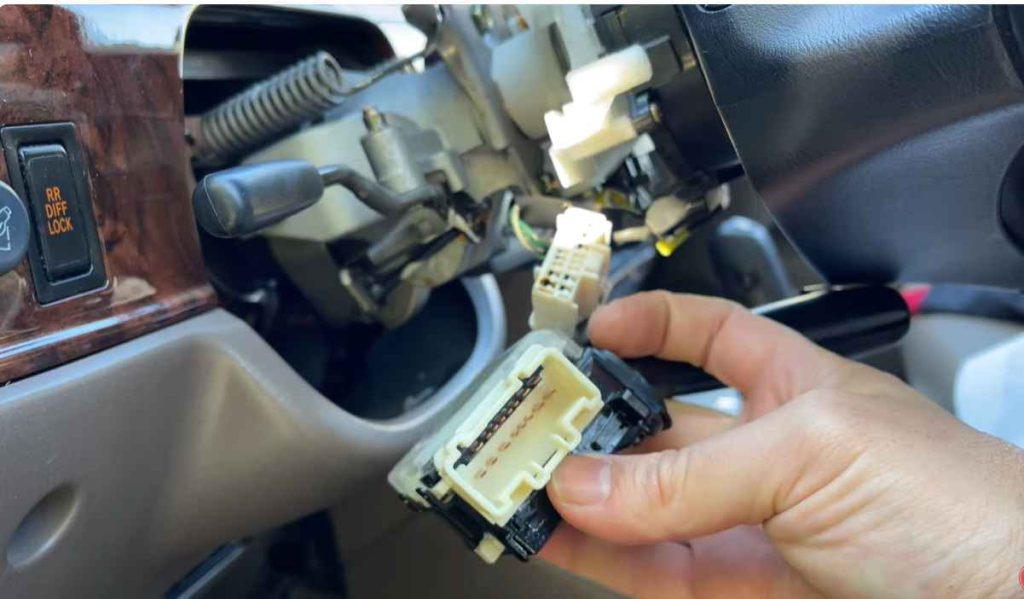
The Impact of Vehicle Modifications on Headlight Switches often goes unnoticed until issues arise. Upgrades like enhanced bulbs or custom lighting can overload your vehicle’s electrical system. This can heat your headlight switch. Understanding the nuances of aftermarket enhancements is vital for maintaining a cool and functional switch.
Aftermarket Parts And Their Effect On Temperature
Aftermarket parts like high-intensity bulbs can draw more power. This increased demand can generate heat. It’s critical to assess whether the headlight switch can handle this extra load. Overlooking this might lead to overheating and potential damage.
The heat generated by improper parts can lead to:
- Melted switches
- Short circuits
- Electrical fires
Select parts compatible with your vehicle to avoid these risks.
Compatibility Considerations For Modified Vehicles
Vehicles with upgrades need compatible components. A mismatch can cause the headlight switch to overheat. Safety is paramount.
Here’s a checklist for compatibility:
| Modification | Compatibility Check |
|---|---|
| Bulbs | Electrical wattage and voltage |
| Wiring | Cross-sectional area and material |
Consult a professional for the best match. Use recommended upgrade kits for a hassle-free experience. Keep safety and performance in balance.
Headlight Switch Replacement: Oem Vs. Aftermarket
Choosing between an OEM (Original Equipment Manufacturer) and an aftermarket headlight switch is crucial. Each choice comes with its benefits. Your car’s headlight switch must function reliably. A hot switch hints at replacement needs. Explore options. Know what works best for your vehicle.
Evaluating The Quality Of Aftermarket Switches
Aftermarket headlight switches flood the market. They provide alternatives to genuine parts. Yet, quality varies greatly. Prioritize established manufacturers. These usually meet or exceed OEM specifications. Check for certifications like ISO. These indicate robust quality control processes. Remember, a well-made aftermarket switch ensures a cool, efficient operation mirroring OEM standards.
The Pros And Cons Of Oem Vs. Aftermarket Replacement
OEM switches promise a perfect match. They come directly from the vehicle’s maker. Expect a guaranteed fit and performance. Yet, they often carry a higher price tag.
Aftermarket options can offer savings. Many drivers find them budget-friendly. However, research is key. Some may not match OEM longevity or fit. This table breaks down the pros and cons:
| Type | Pros | Cons |
|---|---|---|
| OEM | Cost-effective More Variety | Exact fit No research needed Assured Quality |
| Aftermarket | Cost-effective More variety | More expensive Less Variety |
Whether you opt for OEM or aftermarket, choose wisely. A switch impacts your safety on the road. Ensure a thorough evaluation before purchase. Prioritize reputable brands and dealers. Your choice affects your car’s performance and durability.
The Cost Perspective: Repairing Vs. Replacing The Headlight Switch
When your headlight switch gets hot, it raises concerns not just about safety but also about expenses. Deciding whether to repair or replace can have significant financial implications. The choice could affect both your immediate budget and long-term car maintenance costs.
Cost-benefit Analysis Of Repair Vs. Replacement
Understanding whether to repair or replace your headlight switch depends on a cost-benefit analysis. Let’s break it down:
- Repair costs: often involve labor charges and parts.
- Replacement costs: include the price of a new switch plus installation.
Compare these against the switch’s remaining lifespan. A new switch could save money over time.
| Repair Option | Costs | Lifespan | Value Over Time |
|---|---|---|---|
| Simple Fix | Lower | Short-term | Less |
| Complete Replacement | Higher | Long-term | More |
Understanding The Long-term Financial Implications
Long-term costs stretch beyond the initial repair or replacement. Consider these points:
- A reliable headlight switch prevents future issues.
- Recurring repairs add up, making replacement more cost-effective.
- A new switch may enhance vehicle value.
Investing in quality now can lead to fewer headaches and lower expenses down the road.

Navigating The Legal And Regulatory Aspects
Headlight switches getting hot is not just a matter of concern for vehicle functionality but also a legal one. Operating a vehicle with malfunctioning lights might infringe on vehicle safety standards. Awareness of the legal and regulatory aspects associated with this issue is crucial. Let’s navigate through the two key areas: compliance with safety standards and the legal risks posed by defective vehicle lights.
Compliance With Vehicle Safety Standards
All vehicles must meet specific safety standards. Headlight switches are no exception. These standards ensure that all components work correctly for safe driving. If your headlight switch gets hot, it might be a sign of non-compliance. Here are key points on adhering to these safety norms:
- Regular Inspections: Perform frequent checks on lighting systems.
- Quality Components: Use approved switches and bulbs.
- Immediate Action: Address any abnormal heating swiftly.
Legal Risks Associated With Malfunctioning Vehicle Lights
A hot headlight switch can lead to light failures. This presents various legal risks. For instance, driving with defective lights could result in traffic violations or more serious charges if it leads to an accident. Below are the risks worth noting:
- Traffic Violations: Fines for non-working headlights.
- Liability Issues: If an accident occurs, you may be held responsible.
- Insurance Complications: Insurance claims can be denied due to non-compliance.
Frequently Asked Questions For Why Does My Headlight Switch Get Hot
Is It Normal For A Light Switch To Get Hot?
No, a light switch that gets hot is not normal and may indicate an electrical issue. Seek an electrician’s advice immediately for safety.
Why Is My Headlight Wire Getting Hot?
Your headlight wire may overheat due to excessive current, a short circuit, or corroded connections increasing resistance. Ensure wires and components are intact and compatible with your vehicle’s specifications to prevent potential hazards.
What Are The Symptoms Of A Faulty Headlight Switch?
Headlight functions inconsistently or not at all, dashboard lights fail to illuminate, or headlight intensity fluctuates. The switch may feel hot or emit a burning odor.
Is It Normal For Headlights To Get Hot?
Yes, it is normal for headlights to become hot as they generate heat while illuminating.
Conclusion
Understanding the reasons behind a hot headlight switch is crucial for vehicle safety and maintenance. Regular checks can prevent unexpected issues and costly repairs. Remember, an overheating switch might signal electrical trouble, warranting professional inspection. Drive with confidence by addressing this problem early.
Stay safe, and keep your headlights shining bright!