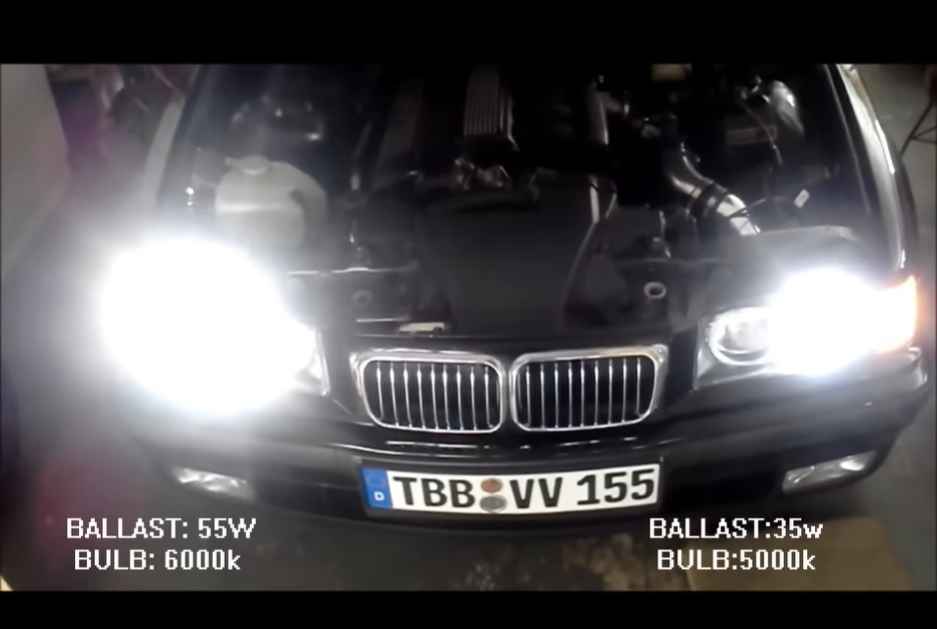
Using a 55W ballast with 35W bulbs is not recommended as it can lead to shortened bulb life and potential safety hazards. It’s important to match the wattage of bulbs and ballasts.
When integrating new elements into a lighting system, ensuring compatibility is crucial for performance and safety. A ballast functions as the power regulator for certain types of light bulbs, delivering the initial surge and then stabilizing the electrical current to ensure efficient operation.
Can I Use 55W Ballast With 35W Bulbs? The wattage rating of both the ballast and the bulb is a key aspect to consider. A 55W ballast is designed to handle a higher electrical load, and pairing it with a 35W bulb can cause an excessive power supply to the bulb. This mismatch can cause bulbs to overheat, decrease in lifespan, or potentially pose a fire risk due to overheating components. Therefore, it is always best to use a ballast that matches the wattage of the bulb to maintain the integrity of the lighting system and ensure the safety of its operation.
Understanding Ballasts And Bulbs: An Introduction
Starting on the quest to ensure the optimal performance of your vehicle’s lighting system necessitates a solid grasp of the two cornerstone components: ballasts and bulbs. This understanding is not only pivotal for achieving that dazzling illumination but also for maintaining safety standards. Let’s dig into the nitty-gritty of ballasts and bulbs, examining their definitions, roles, and the interplay between a bulb’s power rating and the ballast it is paired with.
Defining Ballast And Its Role In Lighting
Ballasts serve as the unsung heroes in the lighting ecosystem. Think of ballast as a regulator, a device whose primary job is to manage the current flowing to the light bulbs. Without the ballast, bulbs might draw an excessive current – leading to a short-lived, yet brilliant, life. Ballasts provide the initial surge to start the bulbs and then ensure a smooth and steady current, maintaining optimal light output and prolonging bulb lifespan.
Types Of Bulbs And Their Power Rating Significance
When it comes to bulbs, their power rating, measured in watts, is a key performance indicator. The power rating reveals the energy consumption and the light intensity you can expect from a bulb. With different types of bulbs available, such as halogen or HID (High-Intensity Discharge) bulbs, each type has its standard power ratings, typically 35W or 55W. A bulb’s power rating is crucial because it must match the ballast’s output for both efficiency and safety.
This is where the question at hand arises – can a 55W ballast be used with a 35W bulb? It’s like pairing a powerful heart to a less robust body: the mismatch can lead to complications. The power difference raises concerns about the system’s compatibility and the longevity of the components involved.
Exploring Compatibility: 55w Ballasts And 35w Bulbs
In the world of lighting optimization, the question often arises: Can I Use a 55W Ballast With 35W Bulbs? Delving into the intricacies of compatibility, let’s find the dynamics between 55W ballasts and 35W bulbs.
When contemplating a switch or replacement, the keywords “ballast hid” and “hid ballast replacement” become pivotal. Upgrading your illumination system may involve understanding the role of the “hid headlight ballast” and selecting the right “ballast for hid headlights.” Consider the advanced technology offered by “hid xenon ballast” options, ensuring a seamless transition.
For those inclined towards hands-on diagnostics, knowing “how to test a hid ballast” is indispensable. The key metric, “ballast output voltage,” plays a crucial role in assessing performance and compatibility.
Starting on this enlightening journey, we decode the nuances of HID lighting, providing insights for enthusiasts seeking the perfect luminous balance.
Technical Differences Between 55w And 35w Systems
The main technical difference between 55W and 35W systems lies in the power output. As the wattage indicates, a 55W ballast provides more power compared to a 35W ballast. This translates to how much electrical energy is converted into light, thus impacting the brightness of the bulbs.
- 55W Ballasts: Designed to supply a higher current, producing more intense light
- 35W Ballasts: Provide adequate power for standard brightness, consuming less energy
It’s important to match the ballast power output with the bulb’s designed wattage for optimal performance and longevity of your lighting system.
Potential Risks And Performance Issues
Using a 55W ballast with 35W bulbs may initially seem like a possible way to get more brightness, but it comes with its own set of potential risks and performance issues:
| Risk or Issue | Consequence |
|---|---|
| Heat Output | Increased heat can cause bulb failure or damage to the lighting system. |
| Electrical Stress | 35W bulbs may not be designed to cope with the additional power, resulting in a shorter lifespan or immediate damage. |
| Legal and Safety Concerns | Overpowered bulbs might produce glare or light patterns that contravene vehicle regulations, posing a safety risk. |
Despite the allure of possibly greater illumination, mismatching the wattage ratings between ballasts and bulbs can lead to compromised functionality and could even void warranty claims due to improper use.
Electrical Implications Of Mismatched Components
Exploring the right combination of ballasts and bulbs in your lighting system is crucial not only for achieving optimal illumination but also for ensuring electrical safety and efficiency. Electrical implications of mismatched components can range from minor annoyances to significant safety risks. This section digs into what happens when a 55W ballast is paired with 35W bulbs and the importance of matching these components correctly. It is essential to understand the electrical dynamics at play to prevent potential damage to your lighting fixtures and maintain the lifespan of your bulbs.
Understanding Voltage And Current In Lighting Systems
Every lighting system requires a precise balance of voltage and current to function correctly. A ballast regulates the current to the lamps and provides sufficient voltage to start the lamps. When using a 55W ballast with 35W bulbs, the ballast is designed to supply more power than the bulbs are rated to handle. This can lead to several possible outcomes:
- Increased Heat Output: More power translates to higher temperatures, which can affect fixture components and bulb lifespan.
- Potential Overdrive: The bulb might be overdriven, resulting in brighter output initially but a shorter life overall.
- Electrical Stress: Components within the bulb can suffer from excess energy, possibly leading to premature failure.
In light of these points, matching the wattage ratings of bulbs and ballasts is essential for safe and efficient operation.
Long-term Effects On Bulb Life And Efficiency
Beyond initial compatibility, the long-term effects of mismatched electrical components are a serious consideration. Working within the rated specifications of your bulbs ensures longevity and performance. A 55W ballast can significantly shorten the lifespan of a 35W bulb due to the following factors:
| Impact | Result on Bulb Life |
|---|---|
| Excess Heat | Can degrade light quality and reduce lifespan. |
| Overdriving | Increase in lumens output but sharp decrease in life expectancy. |
| Electrical Overload | Can cause bulb failure, potentially damaging the entire lighting system. |
The use of a ballast that exceeds the wattage your bulbs are designed for is not recommended. Always consult the manual or specifications of your lighting equipment to ensure compatibility and take steps to match the ballast power correctly with the bulb wattage. This approach will safeguard your lighting investment, ensure efficient energy usage, and maintain optimal lighting conditions over the long term.
Manufacturer Guidelines And Warranty Considerations
Integrating aftermarket components into your vehicle’s lighting system, such as pairing a 55W ballast with 35W bulbs, might seem like a small adjustment, but it’s imperative to not lose sight of the manufacturer’s stance on such modifications. This portion of our blog sheds light on the manufacturer guidelines and how deviating from them can affect the warranty and support for your lighting system.
Adhering To Manufacturer Recommendations
Manufacturers design and test their lighting components to operate at optimal performance within specified parameters. When it comes to ballasts and bulbs, they’re calibrated to ensure longevity, efficiency, and safety. Using a 55W ballast with 35W bulbs is not typically recommended. Here’s why:
- Overpowering Risk: A 55W ballast pushing its full capacity through a 35W bulb can lead to overheating, premature bulb failure, or even damage to the lighting fixture.
- Compatibility Issues: Components designed for different power outputs may not synchronize effectively, potentially causing flickering lights or inconsistent performance.
- Safety Concerns: Deviating from manufacturer specifications might increase the risk of electrical hazards.
Consulting the vehicle or parts manual for specific model recommendations should always be the first step before attempting any modifications.
Impact On Warranty And Support When Mixing Components
Mixing different-rated components like a 55W ballast and 35W bulbs can have a direct impact on your product warranty:
- Voided Warranty: Manufacturers may void the warranty if damage or issues arise from using mismatched components.
- Limited Support: Customer support might be less inclined to assist if your setup does not conform to their standard specifications.
- Burden of Proof: If faced with issues, the burden of proof lies on you to show that the aftermarket modifications did not cause the problem.
Documenting all changes and keeping track of how they align with the original specifications can be crucial when seeking support or service claims. The use of a 55W ballast with your 35W bulbs is a risky equation, not just for the system’s performance but for the associated rebates and backup facilities that come with a warranty. Prioritizing these aspects ensures a safe, well-functioning, and supported lighting system in your vehicle.
Alternatives And Solutions For Optimal Lighting
Ensuring your lighting system operates at its best often boils down to the synergy between the ballast and the bulbs. While tempting, using a 55W ballast with a 35W bulb can potentially lead to decreased bulb lifespan and operational inefficiency. The search for optimal lighting shouldn’t leave you in the dark; rather, it should illuminate the path toward safe, efficient, and effective alternatives and solutions. Find out the different ways to achieve the perfect balance for your lighting needs while avoiding any mismatch in your lighting fixtures.
Using Appropriately Matched Ballast And Bulb Sets
The key to optimal lighting extends beyond brightness; it’s about harmony between the ballast and bulb. A mismatch can lead to undue stress on both components, resulting in a range of issues from reduced functionality to potential hazards. Here are some points to ensure you use appropriately matched sets:
- Check Compatibility: Always refer to the manufacturer’s specifications to match the wattage of your ballast with your bulbs.
- Understand the Ratings: A 55W ballast is designed to supply the correct current for a 55W bulb – using it with a 35W bulb could overdrive the bulb.
- Consider Efficiency: Matching the ballast to the bulb not only increases efficiency but also optimizes the lifespan of your lighting system.
Exploring Retrofitting And Upgrading Options
When mismatched lighting components cast a shadow on your setup, it’s time to consider retrofitting and upgrading. Making the switch to an appropriate ballast or upgrading your bulbs can improve performance and prevent potential issues. Here’s how you can find these options:
- Assess Your Current Setup: Determine if retrofitting a new ballast or upgrading bulbs is more cost-effective and beneficial in the long run.
- Seek Professional Advice: Consult with a lighting specialist to identify the best route for your specific lighting system.
- Opt for Quality: Invest in high-quality components that are designed to work together, thus ensuring reliability and durability.
Adapting your lighting system isn’t just about making it brighter; it’s about making it better. By using matched ballast and bulb sets or opting for retrofitting and upgrading when necessary, you can achieve optimal lighting that shines in terms of performance, safety, and efficiency.
Case Studies And Real-world Applications
When it comes to vehicle lighting or upgrading your HID (High-Intensity Discharge) systems, understanding the dynamics between different ballasts and bulbs is crucial. Case Studies and Real-World Applications reveal insights into what’s possible and what to avoid. Whether you’re considering using a 55W ballast with 35W bulbs or find yourself with mixed components, these real-life instances serve as a practical guide.
Instances Of Successful Compatibility
Surprisingly, some users have reported successful pairings of 55W ballasts with 35W bulbs. Their experiences highlight several scenarios:
- Increased Brightness: The extra power can potentially lead to brighter light outputs, although this may vary depending on the bulb’s build quality.
- Color Temperature Shift: Users noticed shifts in color temperature, with the bulb emitting a slightly different shade due to the higher wattage.
- Durability Factors: Concerns exist over the lifespan of the bulbs, yet some case studies did not record immediate failures or reduced longevity.
It’s important to note that these successful instances often occurred under specific conditions and with certain quality bulbs that could handle the increased load.
Lessons Learned From Mismatched Ballast And Bulb Usage
When mismatched components are used, outcomes can lead to enlightening lessons:
- Heat Issues: 55W ballasts often cause 35W bulbs to operate at higher temperatures, potentially risking damage or failure.
- Reduced Lifespan: Consistently, a higher-wattage ballast shortens the working life of a lower-wattage bulb due to increased stress.
- Warranty Concerns: Using mismatched wattages can void warranties, leaving users to bear the costs of any damage.
Real-world experiences have demonstrated that proper matching is generally recommended to maintain safety, efficiency, and reliability.
In summary, while there are reports of successful compatibility, proceeding with caution remains advisable. Each case should be considered unique with outcomes varying by individual circumstances and the quality of the components involved.

Frequently Asked Questions For Can I Use 55w Ballast With 35w Bulbs
What Is The Difference Between 35w Ballast And 55w Ballast?
The main difference between a 35w and a 55w ballast is their power output. A 35w ballast delivers lower brightness and consumes less energy, while a 55w ballast provides greater illumination at a higher energy consumption rate.
Can You Replace the 35w Bulb With a 55w?
Yes, you can replace a 35w bulb with a 55w bulb if the fixture’s maximum wattage allows it. Ensure the voltage matches and the socket can handle the increased heat output.
How Many Lumens Is 35w Vs 55w Hid?
A 35W HID bulb typically emits about 3,500 lumens, while a 55W HID can produce around 5,000 lumens.
Can I Use Any Ballast With Any Hid Bulb?
No, not every ballast is compatible with any HID bulb. Always match the bulb type with the corresponding ballast specification to ensure proper functionality and safety.
Conclusion
Opting for a 55W ballast to power a 35W bulb can be tempting, but it’s essential to weigh the risks. Compatibility concerns and potential safety hazards should make you think twice. For optimal performance and longevity of your lighting setup, matching your ballast to the appropriate wattage bulb is always recommended.
Choose wisely to ensure a well-lit and secure environment.