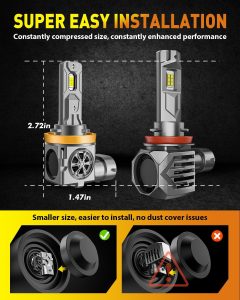
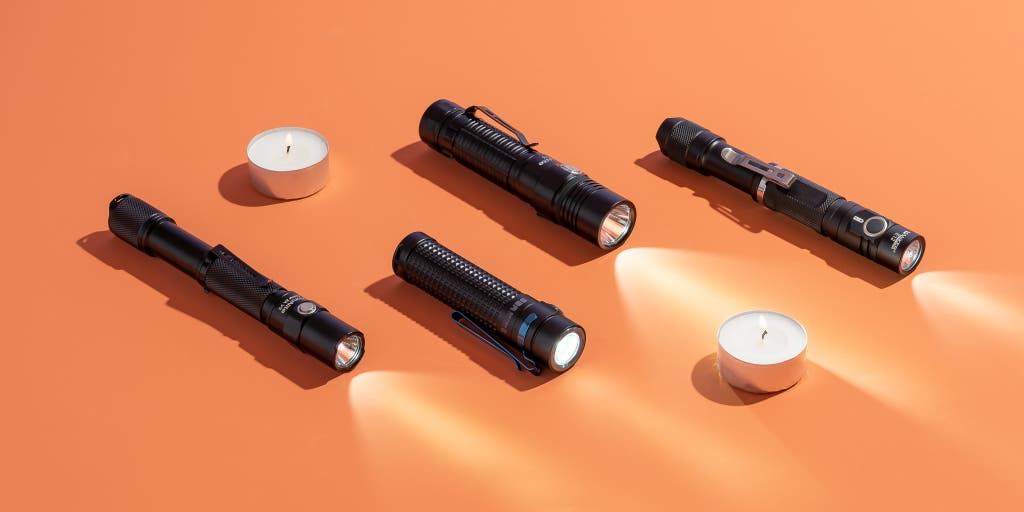
The most common types of headlights are halogen and LED, with manufacturers gradually transitioning from halogen to LED lights. Both types have their advantages, and this article will explore the pros and cons of each to help determine which one is best for you.
Halogen headlights have been the standard for many years, offering affordability, long-lasting performance, and easy replacement. On the other hand, LED headlights are the newest and most energy-efficient type, providing brighter and longer-lasting light. With advancements in technology, LED headlights are becoming increasingly popular, although halogen lights are still widely used.
Understanding the differences between these two types will help you make an informed decision when choosing headlights for your car.
The Rise Of Led Headlights
The rise of LED headlights has brought about a game-changer in automotive lighting. LED headlights offer several advantages over traditional options. First and foremost, they are highly energy-efficient and have a longer lifespan, making them a cost-effective choice for car owners. Moreover, LED headlights provide exceptional brightness and visibility, enhancing the driving experience and improving safety on the road. The design flexibility of LED lights allows for sleeker and more stylish headlight designs, adding a touch of modernity to the overall look of the vehicle. LED headlights have gained popularity in recent years and are now featured in many popular car models. Their superior performance, energy efficiency, and sleek design make LED headlights a top choice for car enthusiasts and manufacturers alike.
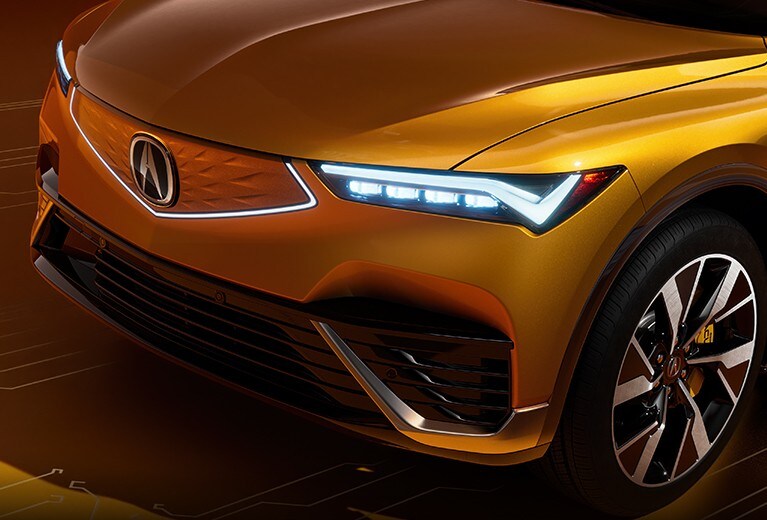
Credit: www.acura.com
The Timeless Appeal Of Halogen Headlights
Halogen headlights have remained a popular choice in the automotive industry due to their timeless appeal. These headlights are still widely used and have various advantages that make them a popular choice for many drivers.
One of the key reasons why halogen headlights are preferred is because of their affordability and accessibility. They are more budget-friendly compared to other types of headlights, making them a cost-effective option for many car owners.
Another advantage of halogen headlights is their easy replacement and maintenance. If a bulb burns out, it can be easily replaced without much hassle. Additionally, maintenance is relatively simple, requiring minimal effort for upkeep.
Compatibility with older vehicles is also a noteworthy feature of halogen headlights. Since this type of headlight has been around for many years, it is compatible with a wide range of older vehicle models, making it easier for car owners to find suitable replacements.
However, it’s important to consider a few drawbacks of halogen headlights. They are not as bright as some other types of headlights, which may impact visibility in certain conditions. Additionally, they tend to have a shorter lifespan compared to newer technologies like LED headlights.
Exploring Xenon Headlights
What are the Most Common Headlights?
Xenon headlights: An advanced lighting solution
Understanding the technology behind xenon headlights, we can appreciate their numerous benefits and limitations. Xenon headlights provide enhanced brightness and intensity due to their use of advanced technology. Compared to halogen headlights, xenon headlights have a longer lifespan, making them a cost-effective option for car owners. However, it’s essential to consider some limitations when opting for xenon headlights. These headlights require a ballast to regulate electrical current, adding to the installation complexity and potential costs. Additionally, xenon headlights can be more expensive to replace compared to traditional halogen bulbs. Despite these considerations, xenon headlights remain a popular choice among car enthusiasts who value the improved visibility and longevity they offer.
Benefits of xenon headlights
- Enhanced brightness and intensity
- Longer lifespan compared to halogen
Limitations and considerations of xenon headlights
- Installation complexity due to the ballast requirement
- Higher replacement cost compared to halogen bulbs
Choosing The Right Headlight For Your Car
When it comes to choosing the right headlights for your car, there are several factors to consider. First, you need to ensure compatibility with your car’s electrical system. Different headlights may require different power levels, so it’s important to select one that works with your vehicle.
Next, legal requirements and regulations play a role in your decision. Some countries or states have specific laws regarding the brightness and color of headlights that are allowed.
Additionally, personal preferences and driving conditions should be taken into account. If you frequently drive in areas with poor visibility, you may want to consider headlights that provide enhanced brightness.
Comparing the pros and cons of LED, halogen, and xenon headlights is also crucial. LED headlights are energy-efficient and long-lasting, while halogen headlights are affordable and easy to replace. Xenon headlights offer bright and white light, but may be more expensive.
Lastly, proper installation and maintenance tips are important to ensure the longevity of your headlights.
Wrapping Up
|
When it comes to headlights for your car, there are three common types available: halogen, xenon, and LED. Halogen headlights have been around for decades and are still widely used due to their affordability and longevity. Xenon headlights use newer technology to produce brighter, longer-lasting light. LED headlights are the newest and most energy-efficient option, providing superior visibility and longevity. When choosing headlights for your car, several factors need to be considered. These include the bulb type, brightness, longevity, energy efficiency, and compatibility with your car’s electrical system. It’s also crucial to consider the future of automotive lighting technology, as newer options like laser headlights are constantly being developed. In conclusion, the most common headlights available for cars are halogen, xenon, and LED. Each type has its benefits, so it’s essential to choose the one that fits your specific requirements and budget. |
Frequently Asked Questions Of What Are The Most Common Headlights?
What Are The 3 Types Of Headlights?
There are three types of headlights: halogen, xenon, and LED. Halogen lights have been around for decades, xenon lights are brighter and longer-lasting, and LED lights are the newest and most energy-efficient option. These are the most common headlights in use today.
What Are Standard Headlights Called?
The most common type of headlights used in cars are halogen and LED. Halogen headlights have been the standard for many years and are still widely used. LED headlights are becoming more popular due to their energy efficiency. Both types have their own benefits and it is important to consider your specific needs when choosing between them.
What Are The 3 Headlight Bulbs?
The three headlight bulb types commonly used in cars are halogen, xenon, and LED. Halogen bulbs have been around for decades, xenon bulbs use newer technology for longer-lasting and brighter light, while LED bulbs are the newest and most energy-efficient type of automotive light.
What Are The Most Common Types Of Headlights?
The most common types of headlights used in cars today are halogen and LED. While manufacturers are slowly phasing out halogen headlights in favor of LEDs, both types have their pros and cons. In this article, we will discuss the benefits of each to help you make a better decision for your needs.
Conclusion
The most common types of headlights used in cars today are halogen and LED. While manufacturers are gradually phasing out halogen headlights in favor of LEDs, both have their own advantages. Halogen headlights are affordable, long-lasting, and easy to replace.
On the other hand, LED headlights are the newest and most energy-efficient, providing brighter and longer-lasting light. Ultimately, the choice between the two depends on personal preference and specific needs.