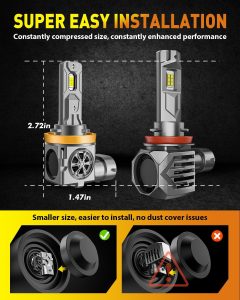

The headlight socket connection is a female connector responsible for powering your car’s headlights. It connects the headlight bulb to the electrical system of the vehicle, allowing the bulb to receive power and illuminate the road ahead.
The headlight socket ensures a secure and reliable connection between the bulb and the electrical system, enabling proper functioning of the headlights. Without a functioning headlight socket connection, the headlights would not be able to emit light effectively, compromising visibility and safety while driving.
Maintaining a good headlight socket connection is crucial for ensuring optimal performance of the headlights.
Understanding The Power Behind Your Car’S Lights
|
The headlight socket is a female connector responsible for powering your car’s headlights. It plays a crucial role in the car’s electrical system, allowing the headlights to receive power and function properly. The importance of the headlight socket connection cannot be understated as it ensures that the headlights illuminate the road ahead, providing visibility and safety. |
|
In the car’s electrical system, the headlight socket connects to the wiring harness, which carries the electrical current from the battery to the headlights. It is essential for the socket to provide a secure and reliable connection, as any loose or damaged socket can lead to poor headlight performance or complete failure. Regular inspection and maintenance of the headlight socket connection are necessary to prevent common issues such as flickering lights, dim headlights, or intermittent power loss. If you encounter any problems with your car’s headlights, it is recommended to check the headlight socket connection first. Ensure that the socket is clean, free from corrosion or debris, and tightly connected to the wiring harness. If necessary, replacement sockets are available, allowing you to replace a faulty or damaged socket easily. Remember, a well-functioning headlight socket connection is essential for road safety, ensuring that your headlights provide proper illumination while driving at night or in low visibility conditions. |

Credit: www.amazon.com
Exploring Different Connectors For Car Headlights
The headlight socket connection plays a crucial role in the functioning of car headlights. It is responsible for powering the headlights and ensuring proper illumination while driving. Exploring different connectors for car headlights, we come across various types such as H1, H3, H4, H7, and others which are commonly used in different vehicles.
There are also differences between single-pin, double-pin, and multi-pin connectors. Each type has its unique characteristics and compatibility with specific headlight bulbs. Understanding these differences is essential when it comes to replacing or upgrading your car’s headlight socket connection.
When encountering issues with a headlight connector, it is important to know how to fix it. Troubleshooting common headlight problems can help identify the cause, which may include a blown fuse, headlight relay, headlight switch, dimmer switch, or a wiring fault. Consulting the owner’s manual and seeking professional help if necessary is recommended for a proper fix.
Overall, having a good understanding of the headlight socket connection and its different types can assist in maintaining optimal lighting performance and ensuring the safety of your vehicle.
Identifying Problems And Finding Solutions
| Blog post title: What is the Headlight Socket Connection? |
| Heading: Identifying Problems and Finding Solutions |
Having a faulty headlight socket connection can cause various issues with your car’s headlights. Recognizing the symptoms of a faulty connection is crucial for identifying problems and finding the right solutions. Some common symptoms include flickering headlights, headlights not turning on or staying on, and melted headlight harnesses. Melted headlight harnesses can be caused by a range of factors, such as high heat or excessive current flow. To fix this issue, you may need to replace the melted harness or fix any underlying wiring problems.
Troubleshooting common headlight socket issues involves inspecting the socket for any signs of damage, checking the wiring connections, and ensuring a secure fit. Testing the socket for power and ground can help determine if there is a wiring fault. If there is no power to the headlight socket, it may be due to a blown fuse, faulty relay, or wiring problem.
To fix a headlight connector, you can follow steps like unplugging it from the headlight, turning off the headlights, and removing the weather seal. Repairing or replacing the headlight wiring can also help resolve any issues with the headlight harness.
By understanding the symptoms, causes, and troubleshooting methods related to headlight socket connections, you can effectively address any problems and ensure proper functionality of your car’s headlights.
Frequently Asked Questions Of What Is The Headlight Socket Connection?
How Do You Fix A Headlight Connector?
To fix a headlight connector, follow these steps: 1. Open the wire loom. 2. Solder the wires together. 3. Use butt connectors for a secure connection. 4. Put the loom back over the wires. Replacing a headlight bulb connector: 1. Test the socket for power and ground.
2. Install a new light bulb. For further assistance, refer to instructional videos on YouTube or consult a professional.
Why Is There No Power To My Headlight Socket?
The most likely causes for no power to the headlight socket can be a blown fuse, faulty relay, malfunctioning headlight or dimmer switch, or a wiring problem. Check the owner’s manual to locate the main fuse for the headlight circuit and replace it if necessary.
What Are The Different Types Of Headlight Sockets?
There are several types of headlight sockets, including H4, H11, and 9008. Each socket is designed for a specific type of headlight bulb and must match the bulb’s socket. It is important to use the correct socket to ensure proper connection and functionality.
How Do You Fix A Headlight Harness?
To fix a headlight harness, follow these steps: 1. Open up the wire loom. 2. Solder the wires together. 3. Use butt connectors to secure the connection. 4. Cover the wires with the loom. 5. Test the headlights to ensure they’re working properly.
Note: Consult a professional if you’re unsure about handling electrical wiring.
Conclusion
The headlight socket connection is a vital component responsible for powering your car’s headlights. It is a female connector that ensures the proper functioning of the headlight bulb. Understanding the different types of headlight sockets and knowing how to fix common issues with the headlight harness are essential for maintaining optimal headlight performance.
By following the necessary steps and precautions, you can easily replace a headlight bulb connector in your vehicle. Keep in mind that the socket and bulb must be compatible to ensure a proper fit and functionality.