The best LED type is subjective and depends on the specific application and needs. However, when it comes to overall popularity and versatility, LED-backlit LCD screens are widely considered to be one of the best options.
LED-backlit LCD screens offer excellent brightness, color reproduction, and energy efficiency, making them suitable for various purposes such as TV displays and lighting fixtures. LEDs (Light Emitting Diodes) have become increasingly popular in various industries due to their energy efficiency and long lifespan.
With so many LED types available in the market, it can be challenging to determine the best option. We will explore the different types of LEDs and delve into their features and applications to help you make an informed decision. Whether you are looking for LED types for TVs, car headlights, grow light bulbs, or desk lamps, understanding the differences between LED types can help you choose the best option for your specific needs.
Oled Vs. Led: Understanding The Differences
| OLED vs. LED: Understanding the Differences |
| Overview of OLED technology |
|
OLED (Organic Light-Emitting Diode) is a panel technology that creates stunning contrast, incredible color, and ultra-slim profiles. Unlike LED (Light-Emitting Diode) TVs, OLED TVs don’t require a backlight. Instead, the individual pixels on OLED TVs emit light themselves. This design allows for perfect black levels, vibrant colors, and wide viewing angles. OLED TVs have consistently been regarded as some of the best-looking TVs available due to their superior picture quality. However, OLED panels are more expensive to produce, and there is a risk of burn-in with static images.
Overview of LED technology LED TVs use a backlight that illuminates the pixels on the screen. This backlighting technology allows for a bright display and high contrast ratio, making LED TVs ideal for well-lit rooms. LED panels are more affordable compared to OLED but have a slight disadvantage in terms of contrast ratio and viewing angles. However, LEDs are more power-efficient and offer longer lifespans. Pros and cons of OLED Pros: Perfect black levels, vibrant colors, wide viewing angles. Cons: Expensive to produce, risk of burn-in with static images. Pros and cons of LED Pros: Bright display, high contrast ratio, affordable. Cons: Slight disadvantage in contrast ratio and viewing angles. |
Evaluating Led Types For Different Applications
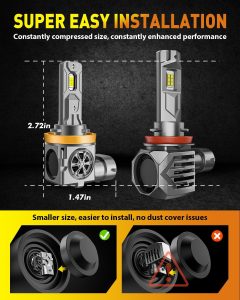
LEDs are widely used in various applications, including car headlights. LED headlights offer numerous benefits such as energy efficiency, longevity, instantaneous illumination, and brighter light output compared to traditional halogen headlights. However, there are also a few drawbacks to consider, such as higher initial cost and the potential for glare if not properly shielded.
When it comes to TVs, there are different types of LED displays available. OLED, LED-backlit LCD, and QLED are the most popular choices. OLED TVs offer incredible contrast and color reproduction, while QLED TVs provide brightness and are less prone to burn-in. LED-backlit LCD TVs are the most common and offer a good balance between performance and affordability.
For grow light bulbs, LEDs are a top choice due to their energy efficiency and ability to provide the right light spectrum for plant growth. When selecting LED grow lights, factors such as wattage, light spectrum, and coverage area need to be considered.
In desk lamps, LED technology offers benefits such as long lifespan, low energy consumption, and adjustable brightness. When choosing an LED desk lamp, features like flexibility, adjustability, and color temperature options should be taken into account.
LED fog lights are becoming increasingly popular for cars due to their high visibility, low power consumption, and quick response time. When purchasing LED fog lights, it is important to consider factors such as brightness, beam pattern, and compatibility with your vehicle.
When it comes to floor lamps, there are various types of LED floor lamps available, including task lamps, arc lamps, and torchiere lamps. Factors to consider when choosing an LED floor lamp include height, adjustability, and light output.
How To Determine The Best Led Type For Your Needs
Assessing your specific requirements is crucial when determining the best LED type for your needs. Start by considering key factors such as brightness, color accuracy, energy efficiency, and lifespan. Different LED types offer varying levels of performance in these aspects, so it’s important to prioritize what matters most to you.
When choosing an LED type, popular brands and models in each category can help guide your decision. Some well-known brands in the LED market include Samsung Electronics, Sony Corporation, Hisense, TCL, Vizio, and Toshiba.
For car applications, LED types suitable for headlights, fog lights, and interior lighting are widely available. TV LEDs vary from LCD televisions to LED-backlit LCD and OLED screens. Additionally, LED types are used in various other applications such as desk lamps, floor lamps, and grow light bulbs.
In conclusion, by assessing your specific requirements and considering key factors, as well as exploring popular brands and models in each LED category, you can make an informed decision on the best LED type for your needs.
Credit: pureopticsled.com
Frequently Asked Questions For Which Is The Best Led Type?
What Is The Best Led Type?
The best LED type is OLED. OLED TVs produce their own light, making them thinner and more energy efficient than LED and QLED TVs. OLED TVs also offer stunning contrast, vibrant colors, and slim profiles. OLED has consistently been at the top of “Best TV” lists for its picture quality and performance.
Which Is Better Led Or Qled Or Oled?
LED, QLED, and OLED are all types of TV technology. OLED TVs have individual pixels that emit light, making them thinner and more power-efficient than LED and QLED TVs. OLED TVs also have better picture quality, with superior contrast ratio and viewing angles.
Therefore, OLED is the best LED type.
Is Oled Still The Best?
OLED is still considered the best LED type due to its stunning contrast, incredible color, and ultra-slim profiles. It emits light itself, making it thinner and more power-efficient than LED and QLED TVs. OLED TVs have consistently topped “Best TV” lists for several years.
Can Led Be Better Than Oled?
LED and OLED have different strengths. OLED offers better picture quality, contrast ratio, uniformity, and viewing angle. LED still has good picture quality but falls short in those areas. Therefore, OLED is often considered better than LED.
Conclusion
When it comes to determining the best LED type, it ultimately depends on your specific needs and preferences. OLED TVs, with their stunning contrast and color, have consistently ranked among the best in terms of picture quality. However, LED and QLED TVs still offer good picture quality and are more power-efficient.
It’s important to consider factors such as contrast ratio, uniformity, and viewing angle when making your decision. Ultimately, choose the LED type that best suits your requirements and enjoy your enhanced viewing experience.